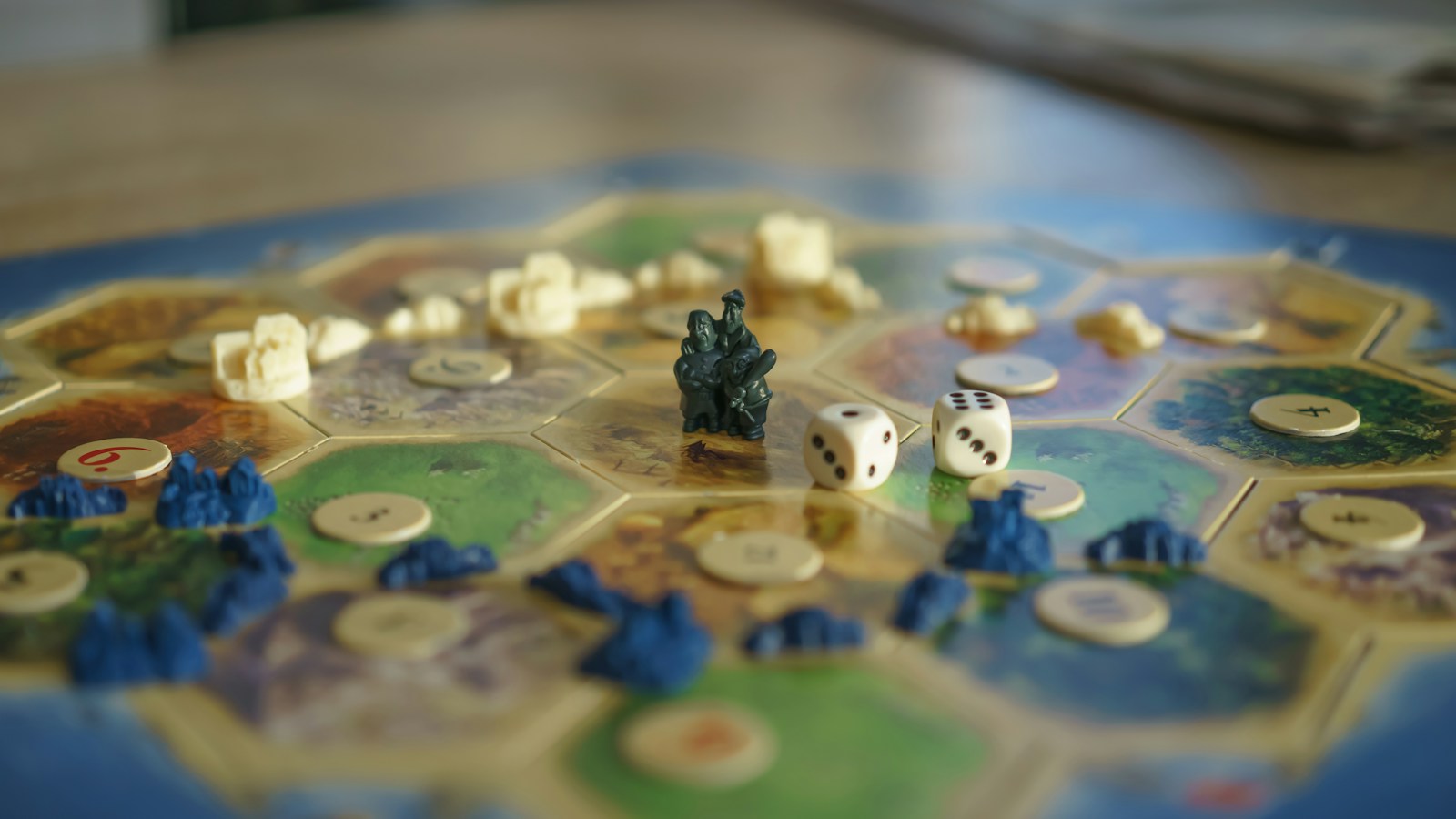
People searching for board game nights Amsterdam are rarely looking for a speech about becoming a more interesting person by Thursday. They usually want something more useful: a first step, a realistic sense of the room, and a way to decide whether this hobby could fit their actual week.
A good board game night in Amsterdam does not begin with everyone performing charm on command. It begins with a table, a host who can explain the rules without turning into a small constitution, and a game short enough for strangers to become comfortable before the evening runs out of snacks.
That is why this guide keeps its feet on the ground. It is about the activity, the city, the social texture around it, and the small decisions that make the difference between “I should try that someday” and “I can actually go this week.”

The local shape of board game nights in Amsterdam
Amsterdam suits tabletop hobbies because the city already works in small rooms: cafes tucked into side streets, international residents who know the awkwardness of starting over, and neighbourhoods where a repeat weekly table can become familiar fast.
Use local guides such as I amsterdam for neighbourhood context, transport notes, and public-space awareness before you pick a venue or route. Search results can tell you what exists, but the city itself tells you whether a plan is sensible.
The best version of this hobby does not make the city a backdrop. It uses the city intelligently: the right hour, the right neighbourhood, the right pace, and a format that understands how people actually move around Amsterdam.
What makes the first session easier
Choose beginner tables, cooperative games, quick social games, or light strategy sessions before you attempt the magnificent four-hour empire-building experience that requires three tutorials and a diplomatic incident.
Before committing, check the boring details with almost suspicious seriousness: time, location, cost, level, language, equipment, group size, and whether arriving alone is normal. Boring details are the tiny hinges of social life. Ignore them and the whole door makes a noise.
For Amsterdam, the practical side matters because enthusiasm has to survive transport, weather, fatigue, and the small inner voice that starts negotiating with your sofa at 6:17 p.m. Choose the option your real week can carry.
The social bit nobody explains properly
The best moment usually comes halfway through the night, when someone misreads a card, everyone laughs, and the table stops feeling like strangers arranged around cardboard.
Expect a little awkwardness. That is not evidence that the hobby is wrong. It is evidence that you are new. The first minutes of almost any group have their own weather: checking the address twice, wondering where to stand, pretending to read a poster you have already read, and hoping someone friendly knows what happens next.
Give the first visit a modest job. Do not ask it to become your new social life before dessert. Ask it to teach you the format. Did the host make things clear? Did the activity hold your attention? Could you imagine trying it once more? Those questions are more useful than chasing instant magic.

Green flags worth noticing
A good group makes the first ten minutes easier. It tells people where to gather, what will happen, and what beginners should know. It does not make newcomers guess the rules while regulars glide around with mysterious confidence.
Look for:
- beginner information that says more than “all levels”
- a visible host or organiser
- honest notes about pace, language, cost, and level
- realistic timing
- respectful group culture
- a route, table, class plan, or format that can be explained simply
- enough structure for quieter people to join without performing
That last point matters. A well-designed hobby gathering leaves room for different personalities. Some people arrive chatty. Some need the activity to warm the room first. Both should be able to belong without being treated like a problem to solve.
Red flags to skip without guilt
Avoid any event that hides the game level, language needs, cost, or expected time. Mystery is useful in detective games; it is less charming in event logistics.
Another mistake is choosing the most impressive option instead of the most repeatable one. Impressive plans make good stories. Repeatable plans make community. If two sessions look equally interesting, choose the one you can attend again without negotiating with your entire calendar and three versions of yourself.
Also avoid judging everything from the first attempt. The wrong venue, host, level, or hour can make a good hobby feel wrong. Try a second format before deciding the entire idea has personally rejected you.
Amsterdam board game night notes
For Amsterdam, the smartest first table is usually not the loudest one. A compact cafe table with four or five people can be better than a huge room where nobody knows whether they are supposed to mingle, play, or stand near a shelf pretending to understand German strategy games. Small tables make names easier to remember. They also make it easier for a host to notice when someone is lost.
Good starter games tend to have short turns, visible choices, and rules that can be explained in five minutes. Cooperative games work well because the table can discuss decisions without turning the evening into a silent exam. Word games can be fun too, but language needs should be clear in an international city. If the game requires fast jokes in a language you are still learning, your brain may briefly leave the building.
Amsterdam also has a practical advantage: repeat routes. If the game night is near a tram, metro, or cycle-friendly neighbourhood, people are more likely to return. That repeatability is the difference between an enjoyable one-off and a small weekly ritual. The ritual is where the friendship usually hides.
If you host, keep the first session modest. Pick two or three games, not your entire glorious collection. Put beginners at a table where asking questions is normal. Explain whether food or drinks are expected, whether people should bring games, and whether the night is casual or competitive. The more visible the structure, the less social guessing people have to do.
Topic-specific checks before you commit
- Check whether the host separates beginner tables from heavyweight strategy tables so your first Amsterdam board game night does not become a three-hour rules lecture.
- Ask if the games are language-light, because international players may be comfortable chatting in English while still struggling with tiny card text.
- Look for a table size of four to six people; it keeps turns moving and helps names become familiar before the evening ends.
- Prefer venues close to reliable transport or cycle routes, since a repeat table is much easier when the journey does not feel like a side quest.
- Notice whether the group teaches through play. A warm explanation beats a perfect rulebook performance every single time.
- Choose cooperative or light strategy games for a first visit if you want conversation to grow alongside the game.
- Skip listings that only show dramatic photos of shelves but never explain level, cost, start time, or whether solo arrivals are normal.
- Bring patience for the first round. Most table friendships begin with someone misunderstanding a rule and everyone surviving beautifully.
- If hosting, write the game names in the event description so newcomers can search them and arrive with less anxiety.
- If attending alone, message the organiser once rather than quietly worrying for three days. Clear questions are normal in a good group.
- Watch the reset after the first game. If people invite newcomers into the next round, the culture is probably healthier than the average comment section.
- Do not confuse competitive intensity with community quality. A serious table can be kind, and a casual table can still be chaotic.
- Choose a venue where people can hear each other without shouting across dice, music, and twenty-seven separate conversations.
- Ask whether food is part of the evening. Crumbs and cards have a long, complicated diplomatic history.
- Return once if the first night was basically kind. Board game groups often become easier after people recognise your face.
Small scenes that tell you the group is working
- Amsterdam board games become easier when a host says, “start here,” and points a newcomer toward a table that is already expecting beginners.
- A De Pijp cafe table can work better than a huge hall because the group can hear rule explanations without leaning across three conversations.
- A cooperative game gives shy players a reason to speak, because the question becomes “what should we do next?” rather than “please introduce your entire self.”
- A light card game is useful when people arrive after work and have only enough brain left for charm, snacks, and mild strategy.
- A regular Wednesday table is more valuable than a spectacular one-off because people can actually remember each other.
- A host who says which games are language-heavy saves international players from discovering the real opponent is vocabulary.
- A simple score sheet can help newcomers remember names without turning the evening into a registration desk.
- A board game night with patient regulars lets beginners learn by playing instead of apologising through the first round.
- A venue with enough table space matters because cramped pieces make even friendly games feel like urban planning.
- A post-game chat gives people a natural second conversation: what went wrong, what was funny, and who accidentally invented a terrible strategy.
Reader questions this guide answers
- Amsterdam board game nights reader question 1: beginner board games matters because it changes what a newcomer should expect, what they should ask before attending, and whether the first visit feels practical enough to repeat.
- Amsterdam board game nights reader question 2: cooperative games matters because it changes what a newcomer should expect, what they should ask before attending, and whether the first visit feels practical enough to repeat.
- Amsterdam board game nights reader question 3: strategy tables matters because it changes what a newcomer should expect, what they should ask before attending, and whether the first visit feels practical enough to repeat.
- Amsterdam board game nights reader question 4: cafe game nights matters because it changes what a newcomer should expect, what they should ask before attending, and whether the first visit feels practical enough to repeat.
- Amsterdam board game nights reader question 5: English-friendly games matters because it changes what a newcomer should expect, what they should ask before attending, and whether the first visit feels practical enough to repeat.
- Amsterdam board game nights reader question 6: solo arrivals matters because it changes what a newcomer should expect, what they should ask before attending, and whether the first visit feels practical enough to repeat.
- Amsterdam board game nights reader question 7: repeat players matters because it changes what a newcomer should expect, what they should ask before attending, and whether the first visit feels practical enough to repeat.
- Amsterdam board game nights reader question 8: group size matters because it changes what a newcomer should expect, what they should ask before attending, and whether the first visit feels practical enough to repeat.
- Amsterdam board game nights reader question 9: game length matters because it changes what a newcomer should expect, what they should ask before attending, and whether the first visit feels practical enough to repeat.
- Amsterdam board game nights reader question 10: friendly teaching matters because it changes what a newcomer should expect, what they should ask before attending, and whether the first visit feels practical enough to repeat.
- Amsterdam board game nights reader question 11: rule explanations matters because it changes what a newcomer should expect, what they should ask before attending, and whether the first visit feels practical enough to repeat.
- Amsterdam board game nights reader question 12: snack-friendly tables matters because it changes what a newcomer should expect, what they should ask before attending, and whether the first visit feels practical enough to repeat.
- Amsterdam board game nights reader question 13: weeknight energy matters because it changes what a newcomer should expect, what they should ask before attending, and whether the first visit feels practical enough to repeat.
- Amsterdam board game nights reader question 14: first-round nerves matters because it changes what a newcomer should expect, what they should ask before attending, and whether the first visit feels practical enough to repeat.
- Amsterdam board game nights reader question 15: regular-player etiquette matters because it changes what a newcomer should expect, what they should ask before attending, and whether the first visit feels practical enough to repeat.
- Amsterdam board game nights reader question 16: newcomer seating matters because it changes what a newcomer should expect, what they should ask before attending, and whether the first visit feels practical enough to repeat.
- Amsterdam board game nights reader question 17: short social games matters because it changes what a newcomer should expect, what they should ask before attending, and whether the first visit feels practical enough to repeat.
- Amsterdam board game nights reader question 18: patient table hosts matters because it changes what a newcomer should expect, what they should ask before attending, and whether the first visit feels practical enough to repeat.
How Kumele fits this search
Kumele is relevant here because hobby matching by interests, age range, and location can help a board game night become repeatable instead of random. The useful match is not only the game. It is pace, distance, comfort, and whether people can realistically meet again.
The useful connection is straightforward: hobbies are easier to keep when the people, distance, age range, and social rhythm make sense together.
For a wider city route, start with the Amsterdam hobby meetup guide.
A practical seven-day route
Day one: save two realistic Amsterdam options for board game nights. Do not save twelve. Twelve is research theatre.
Day two: compare distance, cost, level, timing, and beginner clarity.
Day three: send one specific question if anything is unclear.
Day four: choose the easier first visit, not the one that looks most impressive.
Day five: prepare what you need and put the route in your calendar.
Day six: attend with the goal of understanding the format, not becoming a local legend.
Day seven: decide whether the group deserves a second try.
A sharper way to judge the fit
Ask yourself three questions after the first visit. First, did the activity itself give people something natural to do? Second, did the organiser reduce friction instead of adding confusion? Third, could you imagine returning on an ordinary week, not just on a week when you have slept perfectly and become a productivity brochure?
If the answer is yes, the group may be worth another try. If the answer is no, that does not mean the hobby is wrong. It may mean the format was wrong, the level was wrong, or the room had the social warmth of a printer jam.
The best board game nights option in Amsterdam is not always the biggest, trendiest, or most photogenic one. It is the one that makes returning feel realistic. That second visit is where a hobby starts becoming part of your life instead of another good intention floating around with nowhere to land.
Join the early hobby matching waitlist in your city
Join the early hobby matching waitlist in your city. Choose your city and the hobbies you want to try so Kumele can see where local demand is strongest first.
Start with the hobby groups near me guide, the hobby friends guide, or the main hobby guide.
Plan your next hobby step
Keep going with Kumele’s core guides: hobby ideas, hobby groups near me, hobby friends, and the city homepage.