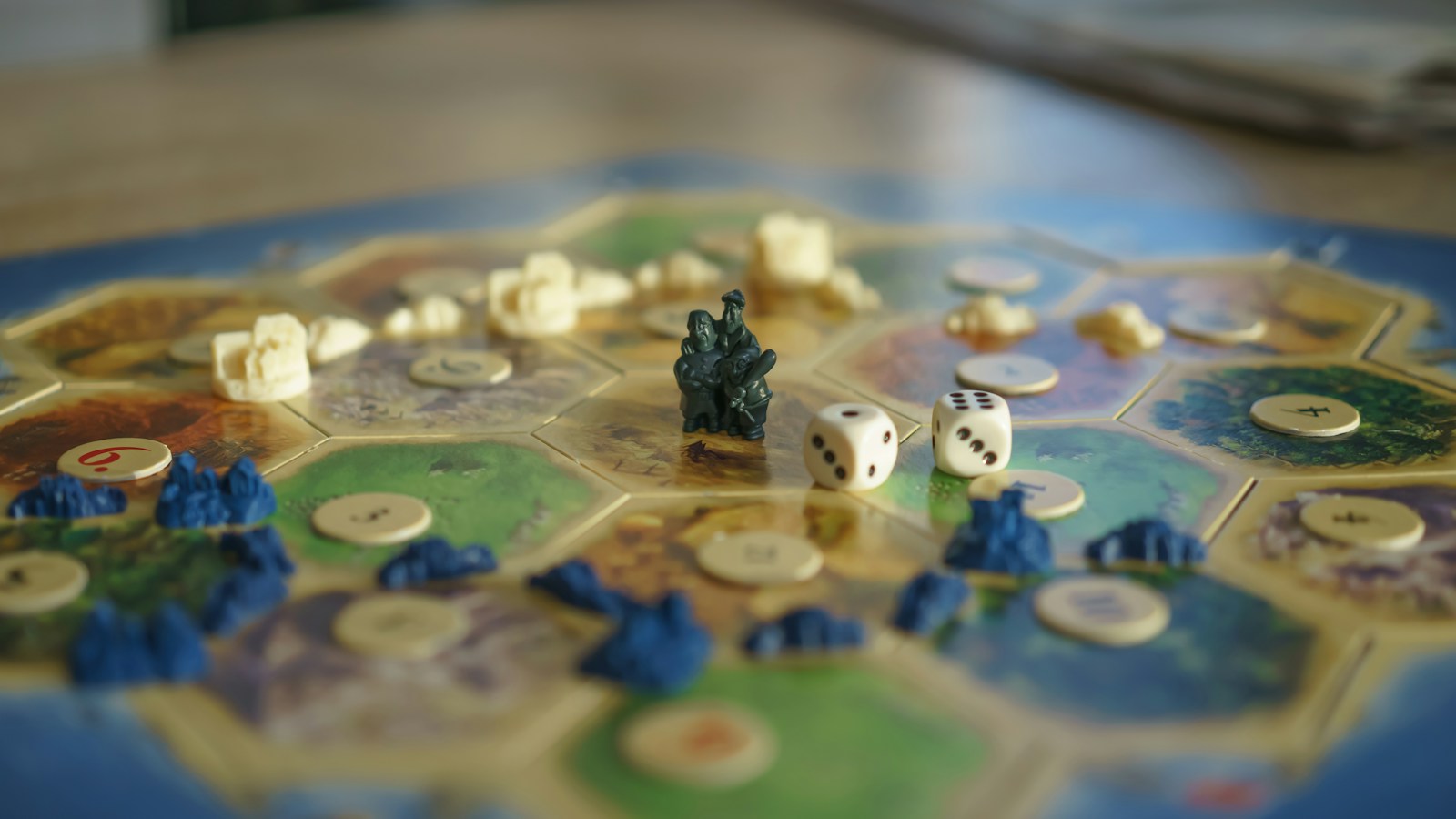
Board game meetups Amsterdam residents can join are a gentle answer to the question many adults ask quietly: where can I meet people without having to make small talk do all the heavy lifting? A table helps. So does a rulebook. Even a slightly overconfident person explaining a game can be useful, provided they are not explaining it for forty-five minutes before anyone gets to play.
Board games give people a shared task, a natural break in conversation, and a reason to return next week. You do not need to arrive with a perfect group of friends or a suitcase of specialist games. You need one workable evening, a beginner-friendly table, and enough patience to let recognition become familiarity.
Choose a table, not a personality test
The useful question is not "Which Amsterdam board game night looks coolest online?" It is "Which table could I comfortably join twice?" A loud event may be fun once and exhausting every time. A smaller recurring group can be better for friendship because people remember you, explain less on the second visit, and eventually ask whether you are coming back.
Look for a listing that says beginners are welcome, games are taught, or people can join without a full team. The I amsterdam guide to board game cafes is a sensible starting point for places where games are already part of the setting. For a recurring community format, the Amsterdam Board Games Meetup describes open game nights where different experience levels can play together.
Check the practical details before you go:
Is the event weekly or monthly?
Does it say new players can join alone?
Are games selected at the table or assigned in advance?
Is there a fee, a reservation, or a host to contact?
Can you reach it without turning a Tuesday evening into an expedition?
None of this is glamorous, but it is what makes a hobby sustainable. A brilliant game night on the far side of the city can become a lovely memory. A decent one near a route you already use can become a routine.
Arrive with one easy sentence
People often think they need a grand introduction. They do not. At a board game table, the activity has already done the difficult part by creating a topic.
Try one of these:
"Hi, is this game open to another player?"
"I know the basics, but I am happy to learn as we go."
"What are people playing tonight?"
"I have not tried that one yet. Is it beginner-friendly?"
That is enough. You are not applying for a fellowship. You are asking whether there is room for one more chair.
If a table is full, do not interpret it as a referendum on your future social life. Ask when the next game begins, watch one round, or speak to the host. Good hobby spaces have a little movement: someone leaves, a new game starts, a second table forms. The point is to stay available, not to force a fit.
Pick games that make conversation easier
Some games reward intense strategy and silence. Others naturally create conversation, laughter, small alliances, and a useful amount of harmless chaos. Neither kind is morally superior. For a first meetup, though, games with clear turns and short rounds tend to be friendlier.
Social deduction games can work if you enjoy theatrical suspicion. Cooperative games are useful if you prefer solving a shared problem. Light strategy games give people something to discuss without requiring anyone to become the evening’s spreadsheet. Party games can be fun, but choose with care: a room of strangers shouting clues at one another is either a shortcut to camaraderie or proof that you should have stayed home with tea.
You can ask the group what they recommend. That question gives experienced players a way to help without turning the conversation back toward your biography. It also tells you something about the room. A welcoming group explains the game, checks whether people are following, and treats mistakes as part of play. A group that makes a newcomer feel foolish over a rule is not a group you need to win over.
Use the three-visit rule
The first visit is reconnaissance. You learn the venue, the pace, and whether people introduce themselves. The second is where you may recognize a face and have a shorter route into conversation. The third gives you enough information to decide whether this is a hobby group worth keeping.
Three visits are not a contract. They are a way to avoid quitting after one awkward arrival or staying indefinitely in a room that never becomes kind. Pay attention to how you feel on the way home. Energized is good. Quietly content is good. Drained every time is data.
If you find one person you enjoy talking with, keep the next step small: "Are you playing next week?" or "Would you try that co-op game another time?" Adult friendship is often built from repeated, ordinary questions. It rarely needs a dramatic announcement.
Let the hobby stay a hobby
It is tempting to treat every event as a mission to make a best friend immediately. That pressure can make a perfectly pleasant evening feel like a failed audition. Let the game night do its own job first: give you a reason to leave the house, a few familiar names, and a small piece of local rhythm.
Over time, you might add another low-pressure activity: a walking group, a language exchange, a class, or a volunteering shift. That small mix is more resilient than relying on one big social occasion. It also means you can follow up with people around something specific, rather than trying to invent a reason from thin air.
Kumele is being built for that practical side of connection: helping people find hobby matches by interests and location, then making it easier to turn interest into a real plan. Board games, crafts, sports, cooking, reading, photography, and niche obsessions all count. The useful part is not collecting hobbies. It is finding one you can return to.
Give the next game a simple follow-up
The most useful moment in a game night is often the five minutes after a game ends. Instead of leaving with a vague "nice to meet you," turn the hobby into a small continuation. Ask whether the group plays next week, whether anyone is trying a particular game soon, or whether there is a chat for regulars. The invitation does not need to be grand. It needs to be easy to answer.
That is also why board game meetups Amsterdam residents can return to are more valuable than a single busy night. Repetition gives people time to become familiar. You learn who enjoys cooperative games, who brings a strange card game from home, and who is good at welcoming new players. Those details are the beginning of a social map.
If you go alone, set a modest target: learn one game, remember two names, and stay until the end of one round. You can always leave after that. Small goals make a new room feel manageable, and they protect the hobby from becoming another high-stakes project on your calendar.
Next step: choose one Amsterdam game night
Pick one listing. Put it in the calendar. Go with the small goal of joining one table and learning one game. Then decide whether you would like to return.
For an Amsterdam-specific route into more repeatable hobbies, join the early hobby matching waitlist in Amsterdam through Kumele. You can also explore Kumele’s guides to finding a hobby, hobby groups near you, and making hobby friends. The best opening move is usually a simple one: sit down and ask what is being played.
People searching for photography walks Amsterdam are rarely looking for a speech about becoming a more interesting person right away. They usually want something more useful: a first step, a realistic sense of the room, and a way to decide whether this hobby could fit their actual week.
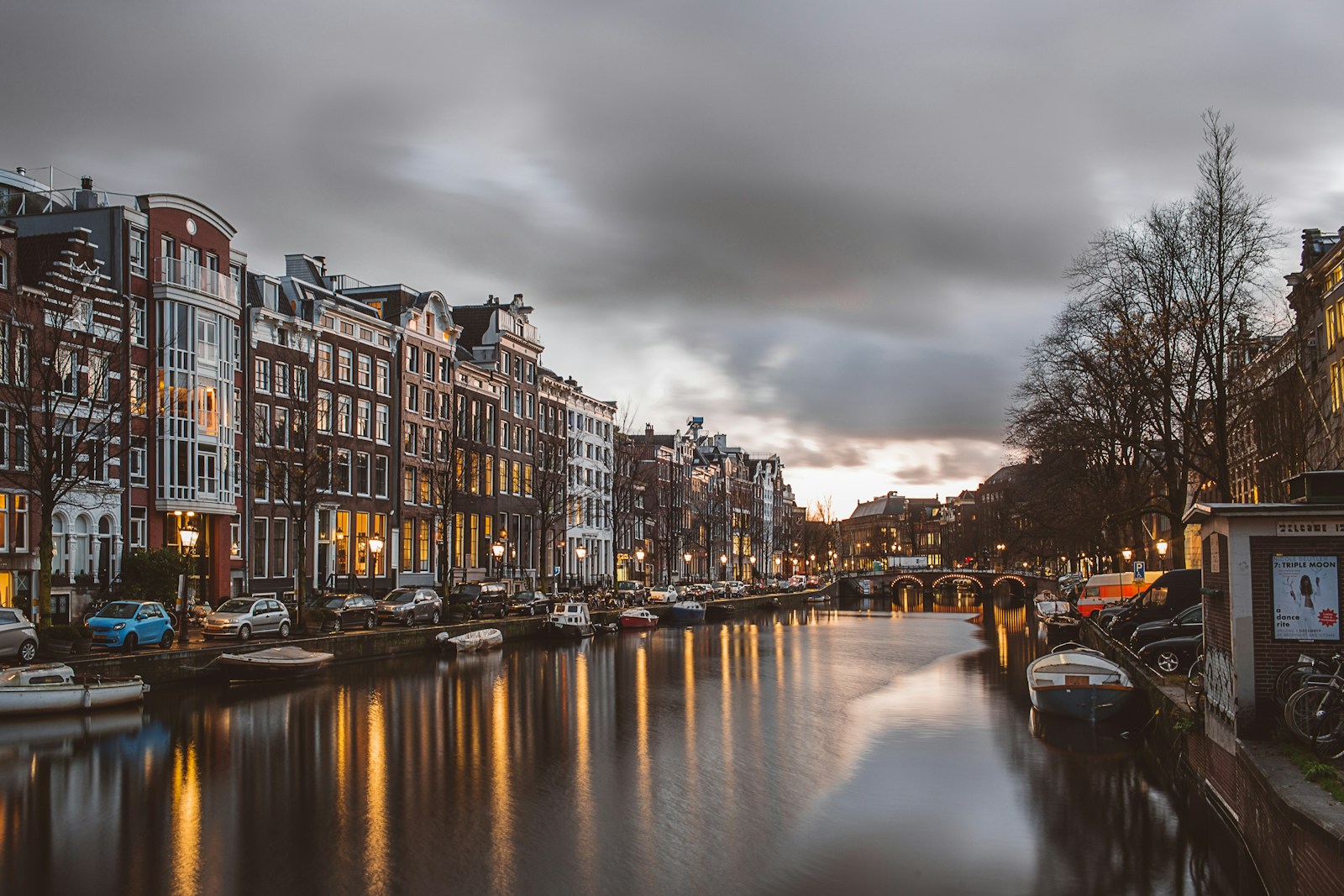
A photography walk in Amsterdam gives beginners a useful way to meet people while you learn at your own pace. Amsterdam offers canals, bridges, bicycles, and changing light for simple photo subjects.
This guide focuses on the route, the group, and the small checks that help you decide if the walk fits your week.
The local shape of canal photography walks in Amsterdam
The canals make a natural route. Jordaan corners, quieter bridges, museum-side streets, Noord waterfront views, and market edges all give a group places to stop without needing a classroom.
Use local guides such as I amsterdam for neighbourhood context, transport notes, and public-space awareness before you pick a venue or route. Search results can tell you what exists, but the city itself tells you whether a plan is sensible.
The best version of this hobby does not make the city a backdrop. It uses the city intelligently: a route, pace, and meeting point that work for the group.
What makes the first session easier
Pick one theme for the walk: reflections, doors, evening light, bikes, water movement, or street details. A theme helps beginners focus instead of trying to photograph everything at once.
Before committing, check the boring details with almost suspicious seriousness: time, location, cost, level, language, equipment, group size, and whether arriving alone is normal. Boring details are the small checks that make the plan easier. Ignore them and the whole plan becomes harder.
For Amsterdam, the practical side matters because enthusiasm has to survive transport, weather, fatigue, and the small inner voice that starts negotiating with your sofa at 6:17 p.m. Choose the option your real week can carry.
The social bit nobody explains properly
The conversation often starts after the shot. Someone notices that another person framed the same bridge completely differently, and suddenly the group has something specific to talk about.
Expect a little awkwardness. That is not evidence that the hobby is wrong. It is evidence that you are new. The first minutes may feel awkward. Check the address, find the host, and ask what happens next.
Give the first visit a modest job. Do not ask it to become your new social life before dessert. Ask it to teach you the format. Did the host make things clear? Did the activity hold your attention? Could you imagine trying it once more? Those questions are more useful than chasing instant magic.
Green flags worth noticing
A good group makes the first ten minutes easier. It tells people where to gather, what will happen, and what beginners should know. It does not make newcomers guess the rules while regulars glide around with mysterious confidence.
Look for:
beginner information that says more than “all levels”
a visible host or organiser
honest notes about pace, language, cost, and level
realistic timing
respectful group culture
a clearly explained route or format that can be explained simply
enough structure for quieter people to join without performing
That last point matters. A well-designed hobby gathering leaves room for different personalities. Some people arrive chatty. Some need the activity to warm the room first. Both should be able to belong without being treated like a problem to solve.
Red flags to skip without guilt
Avoid walks that ignore consent, block narrow paths, or turn equipment into a status contest. A good beginner walk teaches attention before it teaches gear worship.
Another mistake is choosing the most impressive option instead of the most repeatable one. Impressive plans make good stories. Repeatable plans make community. If two sessions look equally interesting, choose the one you can attend again without negotiating with your entire calendar and three versions of yourself.
Also avoid judging everything from the first attempt. The wrong venue, host, level, or hour can make a good hobby feel wrong. Try a second format before deciding the entire idea has personally rejected you.
Amsterdam photo walk notes
Amsterdam rewards photographers who slow down. The obvious canal shot is only the beginning. Reflections change every few minutes, bicycle lines create accidental geometry, windows catch tiny domestic scenes, and bridges offer frames within frames. A beginner walk can become surprisingly rich when the group chooses one theme instead of trying to capture the entire city in a two-hour panic.
For a first photography walk, pick a simple assignment: reflections after rain, doors and details in the Jordaan, evening light near the canals, or movement around a market edge. Assignments keep people from comparing cameras and start them comparing attention. That is a kinder conversation. Someone with a phone can notice something a person with an expensive lens misses completely.
Ethics matter too. Photographing streets is not an excuse to treat people like scenery. A good walk talks about consent, distance, and when to lower the camera. Amsterdam is busy enough without a beginner group blocking bridges or turning strangers into unwilling portrait studies.
The best social moment often happens after the route, when everyone shares two or three frames. The group sees ten versions of the same street and realises the hobby is not just about gear. It is about noticing. That is an excellent foundation for meeting people because it gives the conversation texture immediately.
Topic-specific checks before you commit
Pick one Amsterdam photography theme for the walk: reflections, bicycles, bridges, windows, water movement, or evening light.
Check the route length before you join; a creative walk should leave time to stop, not march everyone through the city like a fitness test with cameras.
Ask whether phones are welcome. A beginner-friendly photography walk should not turn equipment into a social class system.
Bring a small battery pack if you use your phone, because canal reflections are charming until your screen gives up at the best bridge.
Look for hosts who mention consent and street etiquette. Good photography is observant, not entitled.
Avoid groups that promise secret spots but give no practical meeting point. Mystery belongs in the photos, not the logistics.
Choose a route with a natural pause afterward so people can compare frames and actually talk.
Try shooting the same subject three ways: wide, close, and from a lower angle. It gives the walk a useful learning spine.
If rain appears, do not panic. Wet pavement and canal light can make Amsterdam look like it has hired a cinematographer.
Keep the group size modest. Ten photographers can move politely; thirty can accidentally become a lens parade.
Ask whether the walk is instructional or purely social. Both are fine, but they create different expectations.
Avoid blocking narrow bridges while composing. Locals have places to be, and your leading lines do not outrank daily life.
Share two images afterward, not your entire memory card. Editing is part of taste, and taste needs mercy.
Notice whether people discuss what they saw, not just which camera they used. That is usually the better creative room.
Choose the walk you can repeat monthly; repetition teaches light better than one heroic afternoon.
Small scenes that tell you the group is working
Amsterdam canal photography works well when the route has built-in pauses at bridges, corners, and water reflections.
A beginner with a phone can learn composition by shooting one canal house three ways instead of trying to prove technical superiority.
A walk through Jordaan can focus on doors, windows, bikes, and reflections, which keeps the group from drifting into random postcard hunting.
A rainy afternoon may actually help because wet pavement gives light a second life.
A host who reminds people not to block bridges protects both the photos and everyone else’s commute.
A two-hour walk should include fewer stops done well, not twelve locations treated like a scavenger hunt.
A short sharing session after the route turns isolated photos into conversation.
A consent reminder before street portraits keeps creativity from becoming intrusive.
A theme like “red details” or “quiet water” gives beginners a lens before they worry about lenses.
A repeat walk teaches seasonal light, which is something no single tutorial can hand over in one heroic afternoon.
How Kumele fits this search
Kumele fits this kind of search when people want creative company nearby, not just another event listing. Shared hobby, age range, and location make a second photo walk more likely, which is where confidence and friendship both get easier.
The useful connection is straightforward: hobbies are easier to keep when the people, distance, age range, and social rhythm make sense together.
Day one: save two realistic Amsterdam options for canal photography walks. Do not save twelve. Twelve is extra research.
Day two: compare distance, cost, level, timing, and beginner clarity.
Day three: send one specific question if anything is unclear.
Day four: choose the easier first visit, not the one that looks most impressive.
Day five: prepare what you need and put the route in your calendar.
Day six: attend with the goal of understanding the format, not becoming a local legend.
Day seven: decide whether the group deserves a second try.
A sharper way to judge the fit
Ask yourself three questions after the first visit. First, did the activity itself give people something natural to do? Second, did the organiser reduce friction instead of adding confusion? Third, could you imagine returning on an ordinary week?
If the answer is yes, the group may be worth another try. If the answer is no, that does not mean the hobby is wrong. It may mean the format was wrong, the level was wrong, or the room had the social warmth of a printer jam.
The best canal photography walks option in Amsterdam is not always the biggest, trendiest, or most photogenic one. It is the one that makes returning feel realistic. That second visit is where a hobby starts becoming part of your life instead of another good intention floating around with nowhere to land.
Join the early hobby matching waitlist in your city
Join the early hobby matching waitlist in your city. Choose your city and the hobbies you want to try so Kumele can see where local demand is strongest first.
People searching for board game nights Amsterdam are rarely looking for a speech about becoming a more interesting person by Thursday. They usually want something more useful: a first step, a realistic sense of the room, and a way to decide whether this hobby could fit their actual week.
A good board game night in Amsterdam does not begin with everyone performing charm on command. It begins with a table, a host who can explain the rules without turning into a small constitution, and a game short enough for strangers to become comfortable before the evening runs out of snacks.
That is why this guide keeps its feet on the ground. It is about the activity, the city, the social texture around it, and the small decisions that make the difference between “I should try that someday” and “I can actually go this week.”
The local shape of board game nights in Amsterdam
Amsterdam suits tabletop hobbies because the city already works in small rooms: cafes tucked into side streets, international residents who know the awkwardness of starting over, and neighbourhoods where a repeat weekly table can become familiar fast.
Use local guides such as I amsterdam for neighbourhood context, transport notes, and public-space awareness before you pick a venue or route. Search results can tell you what exists, but the city itself tells you whether a plan is sensible.
The best version of this hobby does not make the city a backdrop. It uses the city intelligently: the right hour, the right neighbourhood, the right pace, and a format that understands how people actually move around Amsterdam.
What makes the first session easier
Choose beginner tables, cooperative games, quick social games, or light strategy sessions before you attempt the magnificent four-hour empire-building experience that requires three tutorials and a diplomatic incident.
Before committing, check the boring details with almost suspicious seriousness: time, location, cost, level, language, equipment, group size, and whether arriving alone is normal. Boring details are the tiny hinges of social life. Ignore them and the whole door makes a noise.
For Amsterdam, the practical side matters because enthusiasm has to survive transport, weather, fatigue, and the small inner voice that starts negotiating with your sofa at 6:17 p.m. Choose the option your real week can carry.
The social bit nobody explains properly
The best moment usually comes halfway through the night, when someone misreads a card, everyone laughs, and the table stops feeling like strangers arranged around cardboard.
Expect a little awkwardness. That is not evidence that the hobby is wrong. It is evidence that you are new. The first minutes of almost any group have their own weather: checking the address twice, wondering where to stand, pretending to read a poster you have already read, and hoping someone friendly knows what happens next.
Give the first visit a modest job. Do not ask it to become your new social life before dessert. Ask it to teach you the format. Did the host make things clear? Did the activity hold your attention? Could you imagine trying it once more? Those questions are more useful than chasing instant magic.
Green flags worth noticing
A good group makes the first ten minutes easier. It tells people where to gather, what will happen, and what beginners should know. It does not make newcomers guess the rules while regulars glide around with mysterious confidence.
Look for:
beginner information that says more than “all levels”
a visible host or organiser
honest notes about pace, language, cost, and level
realistic timing
respectful group culture
a route, table, class plan, or format that can be explained simply
enough structure for quieter people to join without performing
That last point matters. A well-designed hobby gathering leaves room for different personalities. Some people arrive chatty. Some need the activity to warm the room first. Both should be able to belong without being treated like a problem to solve.
Red flags to skip without guilt
Avoid any event that hides the game level, language needs, cost, or expected time. Mystery is useful in detective games; it is less charming in event logistics.
Another mistake is choosing the most impressive option instead of the most repeatable one. Impressive plans make good stories. Repeatable plans make community. If two sessions look equally interesting, choose the one you can attend again without negotiating with your entire calendar and three versions of yourself.
Also avoid judging everything from the first attempt. The wrong venue, host, level, or hour can make a good hobby feel wrong. Try a second format before deciding the entire idea has personally rejected you.
Amsterdam board game night notes
For Amsterdam, the smartest first table is usually not the loudest one. A compact cafe table with four or five people can be better than a huge room where nobody knows whether they are supposed to mingle, play, or stand near a shelf pretending to understand German strategy games. Small tables make names easier to remember. They also make it easier for a host to notice when someone is lost.
Good starter games tend to have short turns, visible choices, and rules that can be explained in five minutes. Cooperative games work well because the table can discuss decisions without turning the evening into a silent exam. Word games can be fun too, but language needs should be clear in an international city. If the game requires fast jokes in a language you are still learning, your brain may briefly leave the building.
Amsterdam also has a practical advantage: repeat routes. If the game night is near a tram, metro, or cycle-friendly neighbourhood, people are more likely to return. That repeatability is the difference between an enjoyable one-off and a small weekly ritual. The ritual is where the friendship usually hides.
If you host, keep the first session modest. Pick two or three games, not your entire glorious collection. Put beginners at a table where asking questions is normal. Explain whether food or drinks are expected, whether people should bring games, and whether the night is casual or competitive. The more visible the structure, the less social guessing people have to do.
Topic-specific checks before you commit
Check whether the host separates beginner tables from heavyweight strategy tables so your first Amsterdam board game night does not become a three-hour rules lecture.
Ask if the games are language-light, because international players may be comfortable chatting in English while still struggling with tiny card text.
Look for a table size of four to six people; it keeps turns moving and helps names become familiar before the evening ends.
Prefer venues close to reliable transport or cycle routes, since a repeat table is much easier when the journey does not feel like a side quest.
Notice whether the group teaches through play. A warm explanation beats a perfect rulebook performance every single time.
Choose cooperative or light strategy games for a first visit if you want conversation to grow alongside the game.
Skip listings that only show dramatic photos of shelves but never explain level, cost, start time, or whether solo arrivals are normal.
Bring patience for the first round. Most table friendships begin with someone misunderstanding a rule and everyone surviving beautifully.
If hosting, write the game names in the event description so newcomers can search them and arrive with less anxiety.
If attending alone, message the organiser once rather than quietly worrying for three days. Clear questions are normal in a good group.
Watch the reset after the first game. If people invite newcomers into the next round, the culture is probably healthier than the average comment section.
Do not confuse competitive intensity with community quality. A serious table can be kind, and a casual table can still be chaotic.
Choose a venue where people can hear each other without shouting across dice, music, and twenty-seven separate conversations.
Ask whether food is part of the evening. Crumbs and cards have a long, complicated diplomatic history.
Return once if the first night was basically kind. Board game groups often become easier after people recognise your face.
Small scenes that tell you the group is working
Amsterdam board games become easier when a host says, “start here,” and points a newcomer toward a table that is already expecting beginners.
A De Pijp cafe table can work better than a huge hall because the group can hear rule explanations without leaning across three conversations.
A cooperative game gives shy players a reason to speak, because the question becomes “what should we do next?” rather than “please introduce your entire self.”
A light card game is useful when people arrive after work and have only enough brain left for charm, snacks, and mild strategy.
A regular Wednesday table is more valuable than a spectacular one-off because people can actually remember each other.
A host who says which games are language-heavy saves international players from discovering the real opponent is vocabulary.
A simple score sheet can help newcomers remember names without turning the evening into a registration desk.
A board game night with patient regulars lets beginners learn by playing instead of apologising through the first round.
A venue with enough table space matters because cramped pieces make even friendly games feel like urban planning.
A post-game chat gives people a natural second conversation: what went wrong, what was funny, and who accidentally invented a terrible strategy.
Reader questions this guide answers
Amsterdam board game nights reader question 1: beginner board games matters because it changes what a newcomer should expect, what they should ask before attending, and whether the first visit feels practical enough to repeat.
Amsterdam board game nights reader question 2: cooperative games matters because it changes what a newcomer should expect, what they should ask before attending, and whether the first visit feels practical enough to repeat.
Amsterdam board game nights reader question 3: strategy tables matters because it changes what a newcomer should expect, what they should ask before attending, and whether the first visit feels practical enough to repeat.
Amsterdam board game nights reader question 4: cafe game nights matters because it changes what a newcomer should expect, what they should ask before attending, and whether the first visit feels practical enough to repeat.
Amsterdam board game nights reader question 5: English-friendly games matters because it changes what a newcomer should expect, what they should ask before attending, and whether the first visit feels practical enough to repeat.
Amsterdam board game nights reader question 6: solo arrivals matters because it changes what a newcomer should expect, what they should ask before attending, and whether the first visit feels practical enough to repeat.
Amsterdam board game nights reader question 7: repeat players matters because it changes what a newcomer should expect, what they should ask before attending, and whether the first visit feels practical enough to repeat.
Amsterdam board game nights reader question 8: group size matters because it changes what a newcomer should expect, what they should ask before attending, and whether the first visit feels practical enough to repeat.
Amsterdam board game nights reader question 9: game length matters because it changes what a newcomer should expect, what they should ask before attending, and whether the first visit feels practical enough to repeat.
Amsterdam board game nights reader question 10: friendly teaching matters because it changes what a newcomer should expect, what they should ask before attending, and whether the first visit feels practical enough to repeat.
Amsterdam board game nights reader question 11: rule explanations matters because it changes what a newcomer should expect, what they should ask before attending, and whether the first visit feels practical enough to repeat.
Amsterdam board game nights reader question 12: snack-friendly tables matters because it changes what a newcomer should expect, what they should ask before attending, and whether the first visit feels practical enough to repeat.
Amsterdam board game nights reader question 13: weeknight energy matters because it changes what a newcomer should expect, what they should ask before attending, and whether the first visit feels practical enough to repeat.
Amsterdam board game nights reader question 14: first-round nerves matters because it changes what a newcomer should expect, what they should ask before attending, and whether the first visit feels practical enough to repeat.
Amsterdam board game nights reader question 15: regular-player etiquette matters because it changes what a newcomer should expect, what they should ask before attending, and whether the first visit feels practical enough to repeat.
Amsterdam board game nights reader question 16: newcomer seating matters because it changes what a newcomer should expect, what they should ask before attending, and whether the first visit feels practical enough to repeat.
Amsterdam board game nights reader question 17: short social games matters because it changes what a newcomer should expect, what they should ask before attending, and whether the first visit feels practical enough to repeat.
Amsterdam board game nights reader question 18: patient table hosts matters because it changes what a newcomer should expect, what they should ask before attending, and whether the first visit feels practical enough to repeat.
How Kumele fits this search
Kumele is relevant here because hobby matching by interests, age range, and location can help a board game night become repeatable instead of random. The useful match is not only the game. It is pace, distance, comfort, and whether people can realistically meet again.
The useful connection is straightforward: hobbies are easier to keep when the people, distance, age range, and social rhythm make sense together.
Day one: save two realistic Amsterdam options for board game nights. Do not save twelve. Twelve is research theatre.
Day two: compare distance, cost, level, timing, and beginner clarity.
Day three: send one specific question if anything is unclear.
Day four: choose the easier first visit, not the one that looks most impressive.
Day five: prepare what you need and put the route in your calendar.
Day six: attend with the goal of understanding the format, not becoming a local legend.
Day seven: decide whether the group deserves a second try.
A sharper way to judge the fit
Ask yourself three questions after the first visit. First, did the activity itself give people something natural to do? Second, did the organiser reduce friction instead of adding confusion? Third, could you imagine returning on an ordinary week, not just on a week when you have slept perfectly and become a productivity brochure?
If the answer is yes, the group may be worth another try. If the answer is no, that does not mean the hobby is wrong. It may mean the format was wrong, the level was wrong, or the room had the social warmth of a printer jam.
The best board game nights option in Amsterdam is not always the biggest, trendiest, or most photogenic one. It is the one that makes returning feel realistic. That second visit is where a hobby starts becoming part of your life instead of another good intention floating around with nowhere to land.
Join the early hobby matching waitlist in your city
Join the early hobby matching waitlist in your city. Choose your city and the hobbies you want to try so Kumele can see where local demand is strongest first.