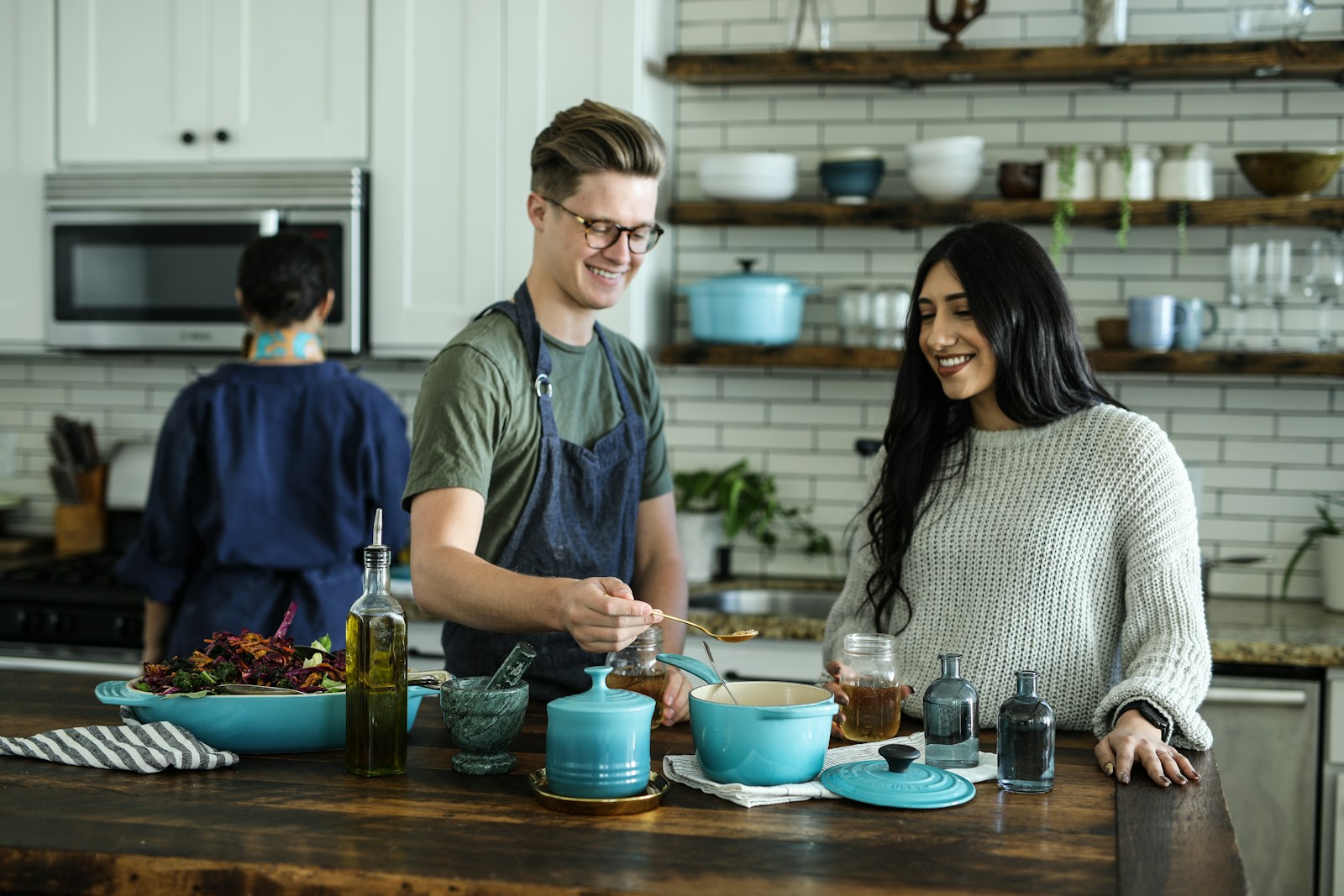
If you’re searching cooking classes Amsterdam, you’re probably looking for one of three things:
1) a fun skill you can use immediately (hello, “I can feed myself properly” era) 2) a hobby that doesn’t require being naturally sporty or naturally extroverted 3) a way to meet people that isn’t “go to a loud bar and hope”

Amsterdam is a surprisingly great city for cooking classes because the vibe tends to be:
- practical (you actually learn)
- relaxed (no chef ego Olympics)
- social (food does a lot of the conversation work)
This guide covers what beginner cooking classes are like, what to bring, how to choose the right format, and how to make it social without feeling like you’re speed-running friendship.
Quick answer: are there beginner cooking classes in Amsterdam?
Yes. Many cooking classes are designed for beginners and focus on:

- simple techniques (knife skills, sauces, timing)
- one theme per class (a cuisine, a dish type, or a skill)
- a friendly “you can’t really mess this up” pace
If you can follow a recipe and wash a knife without drama, you can join.
What a cooking class usually looks like (so you can relax)
Most beginner-friendly classes follow a familiar rhythm:
1) short intro + what you’re making 2) prep (chopping, mixing, measuring) 3) cooking (heat, timing, teamwork) 4) eating (the best part, obviously) 5) cleanup + goodbyes
Some classes are:
- hands-on (you cook)
- demo-style (you watch more, cook less)
- mixed (you do both)
For meeting people, hands-on is usually better. It creates natural conversation windows without forced small talk.
How to choose the right cooking class in Amsterdam (without overthinking)
Ask yourself:
1) Do I want a single fun night or a repeat hobby?
- One-off class: great for a first step
- Short course (weekly): better for making friends and building skill
2) Do I want social energy or calm focus?
Some classes feel like a party. Others feel like a cozy workshop.
If you’re nervous, “cozy workshop” is usually the easier first choice.
3) Is the class beginner-friendly in the description?
Look for language like:
- “beginners welcome”
- “no experience needed”
- “step-by-step”
- “learn the basics”
If it says “advanced,” believe it. Your self-esteem doesn’t need that kind of unnecessary cardio.
What to bring (and what you don’t need)
Usually you only need:
- comfortable clothes you don’t mind cooking in
- closed shoes (practical, safe)
- curiosity (the rarest ingredient)
Sometimes helpful:
- a hair tie if you have long hair
- a notebook if you actually want to remember things
You generally don’t need:
- your own knife
- fancy gear
- a tragic cooking backstory
How much do cooking classes in Amsterdam typically cost?
Prices vary widely based on:
- class length
- whether food/drinks are included
- the instructor’s setup
- group size
If cost matters, look for:
- shorter classes
- community workshops
- classes where you split a station (often cheaper and more social)
If you’re unsure, treat your first class like a test run.
The social side: how to meet people in a cooking class (without being weird)
Here’s the secret: you don’t need to be charming. You need to be present.
Low-pressure conversation starters that feel normal in a kitchen:
- “Have you made this before?”
- “What’s your go-to lazy meal?”
- “Do you cook much at home?”
- “What part are you most nervous about? Mine is timing.”
Also: compliment something real.
- “Your chopping is… dangerously efficient.”
Friendly, specific, not fake.
If you’re going alone (the common fear)
Going alone is normal. Many people do.
A simple plan:
1) arrive a few minutes early 2) say hi to the instructor/host 3) ask where you should stand 4) choose a station where you can talk (not a corner where you hide)
If you freeze, use the universal line:
> “Hi—first time here. Any tips?”
People like feeling helpful. Let them.
Tips for making cooking class friendships stick
Friendship in adult life usually needs a tiny follow-up.
Try:
- “Are you coming to another class sometime?”
- “If you ever want to try a new recipe together, I’m in.”
- “Do you have any other hobby recommendations in Amsterdam?”
Even if nothing happens immediately, you’ve planted a future thread.
Beginner mistakes to avoid (so your first class actually feels good)
Cooking classes are low-stakes, but a few small choices can make the experience either cozy… or stressful for no reason.
Common beginner mistakes:
- Choosing a class too far from home on a weeknight. Convenience is social fuel. If getting there feels like an expedition, you won’t return.
- Signing up for “advanced” because you want to level up fast. Start with fundamentals. Confidence grows faster when you’re not panicking.
- Arriving late. The first five minutes are where you get oriented and meet people casually.
- Trying to be impressive. Ask questions. Laugh when something goes wrong. That’s how people relax around you.
- Treating it like a one-time event. If you want friends, pick a format you can repeat (even if it’s just “same workshop once a month”).
A simple 3-class progression (skill + social momentum)
If you want cooking to become a real hobby (and not just one fun night), try this:
1) Class 1: Fundamentals — knife skills, timing, and basic techniques. 2) Class 2: A theme you love — pasta, baking, plant-based, comfort food… whatever makes you curious. 3) Class 3: Social repeat — pick the class that had the nicest vibe and return (that’s where familiarity begins).
The “return” is the magic move. People don’t become friends because you were interesting once. They become friends because you were present repeatedly.
Safety + comfort notes (especially if you’re new in the city)
Practical things that help:
- pick a location that’s easy to reach on a weeknight
- don’t schedule your first class on your most stressful day
- eat a little beforehand if you get hangry (you know who you are)
The calmer you feel, the more social you’ll naturally be.
Where Kumele fits
If you love cooking as a hobby but want to meet people beyond one class, Kumele can help you connect with people in Amsterdam based on hobbies, age, and location—so you can turn “that was fun” into a repeatable routine.
Start here:
FAQ
Are cooking classes in Amsterdam good for beginners?
Yes. Many are designed to be beginner-friendly with clear steps and a relaxed pace. Look for “beginners welcome” and hands-on formats.
Can I join a cooking class alone?
Yes. It’s common. Arrive a few minutes early, ask where to stand, and use the activity as your conversation starter.
Will I actually learn something or is it just a social event?
Many classes are both: you learn practical skills while cooking with other people. If you want more learning, pick technique-focused classes or short weekly courses.
Do I need to speak Dutch for a cooking class in Amsterdam?
It depends on the host and the group, but many classes are international-friendly. If language is a concern, choose classes that mention “English” or “international,” or message ahead. In practice, beginner cooking is very visual—watching, copying, tasting—so you can follow along even if you miss a word here and there.
What makes a first attempt feel successful
In Amsterdam, a first cooking class can be simple. Choose a place that is easy to reach, follow the steps, learn one new skill, and leave knowing what you would try next time.
For cooking classes in Amsterdam, comfort matters more than instant chemistry. Choose a class with a clear start time, a location you can reach easily, and a format where beginners are welcome.
If you want to meet people, return to the same class or format a few times. Familiar faces make conversation easier and help a new hobby become part of your week.
Final thought
The best approach to cooking classes Amsterdam is not to hunt for the perfect group. Start with one clear, beginner-friendly option, notice how it feels, and repeat the parts that make you want to come back. Real community usually begins with a small plan that is easy enough to do again.
Join the early hobby matching waitlist in your city
Join the early hobby matching waitlist in your city. Choose your city and the hobbies you want to try so Kumele can see where local demand is strongest first.
Start with the hobby groups near me guide, the hobby friends guide, or the main hobby guide.
Plan your next hobby step
Keep going with Kumele’s core guides: hobby ideas, hobby groups near me, hobby friends, and the city homepage.