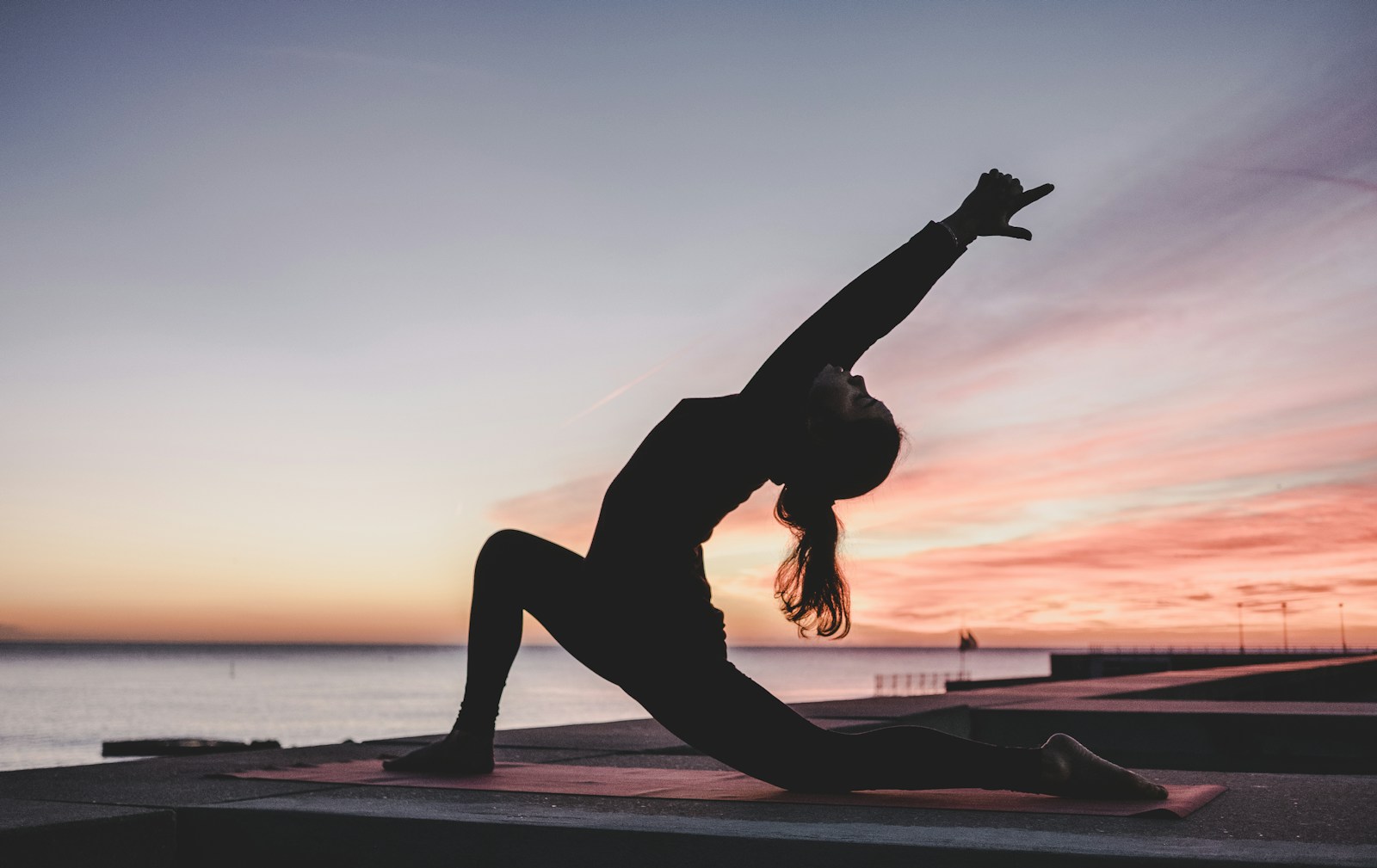
If you’re looking for yoga classes in Amsterdam, you probably want one of two things:
1) a real beginner-friendly start (no “just float into crow pose” nonsense) 2) a calm, repeatable routine that makes the city feel a bit more… livable

If you are searching yoga classes Amsterdam, start with groups that explain the meeting point, level, timing, and newcomer expectations clearly.
Yoga can also be quietly social in the best way: you see the same faces, you exchange small friendly hellos, and over time you build familiarity without needing to do a full networking performance.
This guide covers what to expect, how to pick a studio that fits you, what to bring, and how to use yoga as a gentle gateway to community — without the “I only drink green juice now” energy.
Quick answer: what’s the best kind of yoga class for beginners in Amsterdam?
Look for any class labeled:
- beginner / basics / foundations
- slow flow
- hatha
- gentle

If you’re anxious about being “behind,” avoid jumping straight into:
- fast vinyasa (can be great later, but it can feel like a moving treadmill at first)
- hot yoga (intense environment; not everyone enjoys it)
The best beginner class is the one you’ll actually return to — especially in a city where your schedule will try to eat you alive.
What to expect in your first Amsterdam yoga class (so you’re not surprised)
A typical class flow:
1) you arrive, take off shoes, set up your mat 2) the teacher cues breath and warm-ups 3) standing poses and/or floor work 4) stretching, cool-down, and rest at the end
Amsterdam studios vary in vibe. Some are cozy and quiet. Some are very social. Some feel almost like a gym. None of those are “wrong” — just choose what fits your nervous system.
Practical Amsterdam reality:
- people often arrive by bike (bring a layer; weather changes opinions quickly)
- space can be compact (don’t bring a suitcase-sized bag)
- punctuality matters (classes often start on time)
What to bring (and what you can absolutely skip)
Bring:
- comfortable clothes you can move in
- a water bottle
- a light layer (post-class can feel chilly)
Nice to have:
- a small towel (especially if you sweat)
- grippy socks if you get cold feet (not required)
You can usually borrow:
- mats and blocks (varies by studio)
Skip for now:
- fancy gear that makes you feel like you must “be good at yoga” to deserve it
Your first goal is consistency, not aesthetics.
Amsterdam yoga styles, translated (so you don’t accidentally join the wrong thing)
Studios often list styles without explaining what they feel like. Here’s a quick translation:
- Hatha: slower, pose-by-pose, good for beginners and learning alignment.
- Slow flow: movement-based, but with time to think and breathe.
- Vinyasa/Flow: more continuous movement; can be beginner-friendly if labeled as such.
- Yin: long holds, very calm, great if you want deep stretching and quiet.
- Restorative: very gentle, lots of props, mostly about nervous-system downshift.
- Hot yoga: heated room; intense for some people, amazing for others, not required for a “real” yoga practice.
If you’re unsure, start with basics/slow flow/hatha. You can always explore faster styles later.
How to choose a yoga studio in Amsterdam (the real checklist)
When people ask “which studio is best,” what they usually mean is:
“Which studio will make me feel comfortable enough to return?”
Use this checklist:
- Location: can you get there easily from home/work?
- Schedule: do they have classes at times you’ll actually go (not just the times you wish you’d go)?
- Level clarity: do they label beginner vs intermediate clearly?
- Teacher vibe: do they cue options without shame?
- Room vibe: is it quiet, social, intense, casual?
If you can, try two different styles in your first month. Many people think they “hate yoga” when they actually just tried the wrong format for their body.
“Will I be judged?” (Amsterdam edition)
In most Amsterdam classes, people are focused on their own bodies and their own brains.
But if you want to feel extra safe, choose beginner classes where:
- the teacher demonstrates variations
- the pace is slower
- props are encouraged
And remember: the most confident-looking person in the room is sometimes the most lost. Humans are mysterious.
Beginner concerns (answered without drama)
“I’m not flexible.” Perfect. Yoga is for bodies that move, not just bodies that fold in half. Flexibility is often something you gain slowly — if you even want it.
“I’m out of shape.” Many people start yoga for exactly that reason. Choose a beginner class and take breaks as needed.
“I have an injury.” If you have pain or a significant injury history, it’s worth being cautious and choosing gentle classes first. You can also tell the teacher before class (quietly) so they can offer options. (This is general guidance, not medical advice.)
Yoga as a way to meet people (without forced small talk)
Yoga isn’t a “make friends instantly” environment — and honestly that’s part of the appeal.
But it can become social through:
- seeing the same faces weekly
- a quick “hey, how was your day?” before class
- chatting after class when it feels natural
Two low-pressure ways to make it social:
1) go to the same class time every week 2) ask one simple question after class:
- “Do you come here often?”
- “Any other classes you like?”
- “Do you live nearby?”
If you want a friendlier community vibe, studios that offer workshops or small series can be easier than one-off drop-ins, because you see the same people repeatedly.
Simple studio etiquette (so you feel comfortable)
Different studios have different norms, but these are widely safe:
- arrive a few minutes early (late entry can be disruptive)
- silence your phone (the world will survive)
- keep fragrances light (close rooms + strong perfume is a lot)
- wipe down borrowed props if asked
- if you need to leave early, choose a spot near the door and do it quietly
And if the teacher says “child’s pose is always available,” believe them. Resting is allowed.
Budget tips: how to try yoga in Amsterdam without overcommitting
Yoga pricing varies a lot. If you’re not sure you’ll stick with it yet, look for options that reduce commitment:
- trial classes or intro passes
- beginner series (often better value than random drop-ins)
- community classes (sometimes cheaper and friendlier)
The goal isn’t “find the cheapest yoga.” The goal is “find the yoga you’ll actually do.” Paying for a class you never attend is the most expensive option.
If yoga isn’t your thing (but you still want calm hobbies in Amsterdam)
Yoga is just one calm-social option. Others that work well here:
- walking groups
- breathwork/meditation sessions (if that fits you)
- book clubs
- beginner dance classes
The common thread is structure + repetition.
Find more hobby ideas in Amsterdam
If you want more local hobby ideas that are beginner-friendly and repeatable:
If you’re building a social routine in the city, the Amsterdam blog is a good place to start:
- Amsterdam blog — newcomer-friendly hobby ideas
One last beginner tip: if you try a class and it feels too fast, too intense, or just not your vibe, don’t decide “yoga isn’t for me.” Try a slower style first. Often it’s not yoga you disliked — it’s one specific format.
If you want the social benefit, pick one class time and repeat it for a month. Familiar faces show up faster than you think.
And if you’re nervous, tell the teacher. They’ve met nervous beginners before.
You’ve got this.
Continue exploring
What makes a first attempt feel successful
In Amsterdam, a first attempt at yoga classes Amsterdam does not need to be dramatic. It needs to be clear enough that you can repeat it. Decide what “successful” means before you go: staying for the whole session, learning one name, asking one useful question, staying for the whole session, learning one pose, asking one useful question, or simply leaving with less mystery than you arrived with.
For Yoga classes in Amsterdam: beginner-friendly studios, what to expect, and meeting people without the “wellness cringe”, comfort matters more than instant chemistry. Choose an option with a realistic start time, a location you can reach without turning the journey into a quest, and a format where beginners are expected rather than tolerated. If the group or activity gives you enough information to show up calmly, that is already a good sign. If everything feels vague, it may still be fine, but bring extra patience and maybe a snack. Snacks have rescued more social plans than most productivity systems.
If you want the hobby to help with friendship, focus on repeatability. One nice conversation is lovely; three ordinary meetings are where trust begins to form. That is why location and schedule matter. A perfect group across the city may be less useful than a decent one nearby that you can actually attend. The best hobby plan is often not the most glamorous. It is the one your real life will allow. That is why a clear class plan matters more than a polished promise.
Final thought
The best approach to yoga classes Amsterdam is not to hunt for the perfect group. Start with one clear, beginner-friendly option, notice how it feels, and repeat the parts that make you want to come back. Real community usually begins with a small plan that is easy enough to do again.
Join the early hobby matching waitlist in your city
Join the early hobby matching waitlist in your city. Choose your city and the hobbies you want to try so Kumele can see where local demand is strongest first.
Start with the hobby groups near me guide, the hobby friends guide, or the main hobby guide.
Plan your next hobby step
Keep going with Kumele’s core guides: hobby ideas, hobby groups near me, hobby friends, and the city homepage.