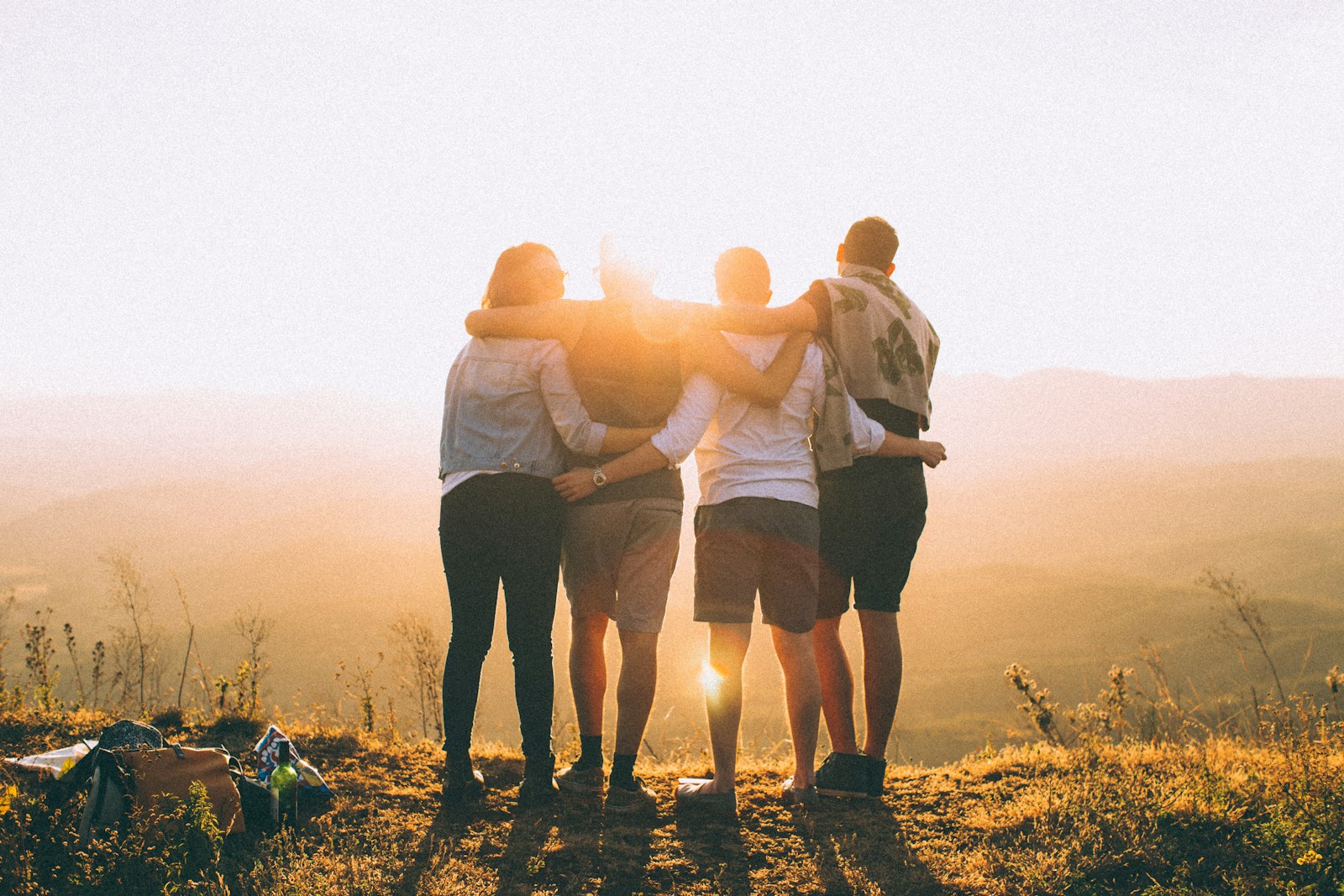
Walking groups in Amsterdam are an easy way to see the city and meet people. You can choose a short canal walk, a park walk, or a longer weekend route. You do not need to be very fit.
Choose the right walk
Look for words such as easy, social, beginner, or slow pace. Check the distance, meeting point, language, and finish time. A clear plan helps you decide if the walk suits you.

Good places to start
Groups often use canal paths, Vondelpark, Westerpark, Oosterpark, or Amsterdamse Bos. Ask the organiser which entrance to use. Large parks may have more than one meeting place.
What to bring
- Comfortable shoes.
- Water and a light rain layer.
- A phone with the meeting details.
- Small money for a cafe stop if planned.
On your first walk
Arrive ten minutes early and say you are new. Stay near the organiser and ask if you need a break. Walking side by side makes small talk easier. One simple question, such as “How long is today’s route?”, is enough.
Check current details
Use the official Amsterdam website for city information and the Amsterdam Kumele homepage for more local ideas. Confirm the organiser’s own page for dates and route changes.
Keep it easy
Try the same group twice before deciding. If the pace or route is wrong, choose a shorter walk. The best group is one you can reach and enjoy often.
Before you choose a group
Think about what you want from the walk. Some groups focus on exercise. Some focus on meeting people. Some stop for coffee or a market visit. Read the group description and choose the one that sounds comfortable. You can email the organiser before joining if the page leaves out important details.
Route length and breaks
Ask how far the group plans to walk and how often it stops. A short route may still feel long if the group walks quickly. A longer route can feel easy when there are regular breaks. Tell the organiser your normal walking pace. It is better to choose a slower group than to spend the day trying to keep up.
Canal walks
Canal routes can be beautiful, but paths may be narrow or busy. Keep to the side and let bikes pass. Wear shoes with a good grip when the ground is wet. Ask where the group will cross roads and whether the route has steps.
Park walks
Park routes give a group more space and often have benches. They can become muddy after rain. Check the weather and bring a light coat. In the evening, ask whether the route has enough light and where the walk ends.
Language and welcome
Many Amsterdam groups use English, Dutch, or both. The organiser should say which language is used. If you miss a word, ask people to repeat it. You do not need perfect Dutch or English to join a friendly walk. A simple hello and your name are enough.
Safety and comfort
Stay with the group and keep your phone charged. Tell the organiser about an injury or health need before starting. If you feel unwell, stop and ask for help. You are allowed to leave early. Keep valuables close and follow local traffic signs.
How to make friends slowly
Use the same small questions each time: “How did you find this group?” “Which part of Amsterdam do you like?” or “Do you know a short route?” Listen to the answer and share one small detail about yourself. You do not need to make a close friend on the first walk.
A four-visit plan
On visit one, learn the meeting point. On visit two, learn the route. On visit three, stay for a short chat. On visit four, ask if there is another walk or volunteer activity. Repeating a simple plan gives people time to recognise you.
What to do if the group is not right
You may find that the pace, language, or route does not suit you. That is useful information. Try a shorter walk, a different day, or another organiser. Do not judge every walking group from one visit.
Finding the meeting point
Read the map and save the exact address before leaving home. Some groups meet beside a cafe, bridge, station, or park gate. Arrive early enough to find the place without rushing. If the meeting point changes, follow the organiser’s latest message.
Weather changes
Amsterdam weather can change during one walk. Bring a light waterproof layer and check the forecast. A walk may be shortened in heavy rain or strong wind. Ask the organiser what happens when the weather is bad.
Walking with children or a dog
Check the group rule before bringing a child or dog. Some routes are busy or narrow. Tell the organiser in advance so the group can plan a safe pace.
After the walk
Thank the organiser and ask when the next walk is. You can join a chat group if one is offered, but you do not have to share personal details. Write down what you liked and what you would change before choosing your next visit.
Simple choice
Choose a group with a clear plan, a pace you can manage, and a meeting point you can reach. Start short, return once, and let the friendships grow at a normal pace.
Small details that help
Carry a small snack if the walk is long. Wear a layer you can remove when you warm up. Keep the route message easy to find on your phone. If you are unsure, ask before the walk starts. Clear questions prevent stress and help the organiser support everyone.
Keep your first visit focused on learning the route and meeting one or two people. You can decide later whether the group is a good fit. A calm start is more useful than trying to do everything at once.
Bring patience and give yourself time to settle in. A first walk is a test of the group, the route, and the pace. You can always choose another day or another organiser.