Meet People Without Pretending to Be Cool This guide is focused on board game nights Amsterdam and the practical questions a reader needs answered before taking the next step. ===============================================================================================================================================================
Amsterdam’s board game nights have a unique flavor that sets them apart fro from those found in other cities. The city’s compact size, social atmospher atmosphere, and residents’ willingness to cycle through rain for something they genuinely enjoy make it an ideal place to explore the world of board g games.
As a beginner, you’re not just looking for information on where to find boa board game nights in Amsterdam; you want a practical next step that feels a achievable this week. This guide is designed to help you navigate the city’ city’s social scene and find relaxed tables, language-friendly groups, and board game evenings that feel social instead of competitive.
Why Board Games Work Socially in Amsterdam
——————————————
Board games provide a gentle way for people to break the ice and engage wit with others. In Amsterdam, where social life can be international, busy, or or fragmented, this is especially valuable. By playing board games, you cre create a softer opening that allows people to connect without feeling overw overwhelmed.
A well-run board game night in Amsterdam typically shares three key qualiti qualities: it’s clear, repeatable, and beginner-friendly. Clear means knowi knowing what to expect and where to go; repeatable means being able to retu return regularly; and beginner-friendly means not being judged for not know knowing the rules.
Finding Local Board Game Nights
——————————–
To find board game nights in Amsterdam, start by exploring city event pages pages, neighborhood cafes, libraries, expat communities, and hobby groups n near popular areas like De Pijp, Jordaan, Oost, Westerpark, and Amsterdam N Noord. Use online resources like I amsterdam amsterdam](https://www.iamsterdam.com/) and its what’s on guide to discover events in your a area.
When searching for board game nights, use specific keywords like "beginner- "beginner-friendly," "weekly," "open session," or "workshop." This will hel help you filter out irrelevant results and find activities that match your interests. Don’t be afraid to check the practical details before committing committing, such as distance, cost, language, weather, equipment, group siz size, and whether the event repeats.
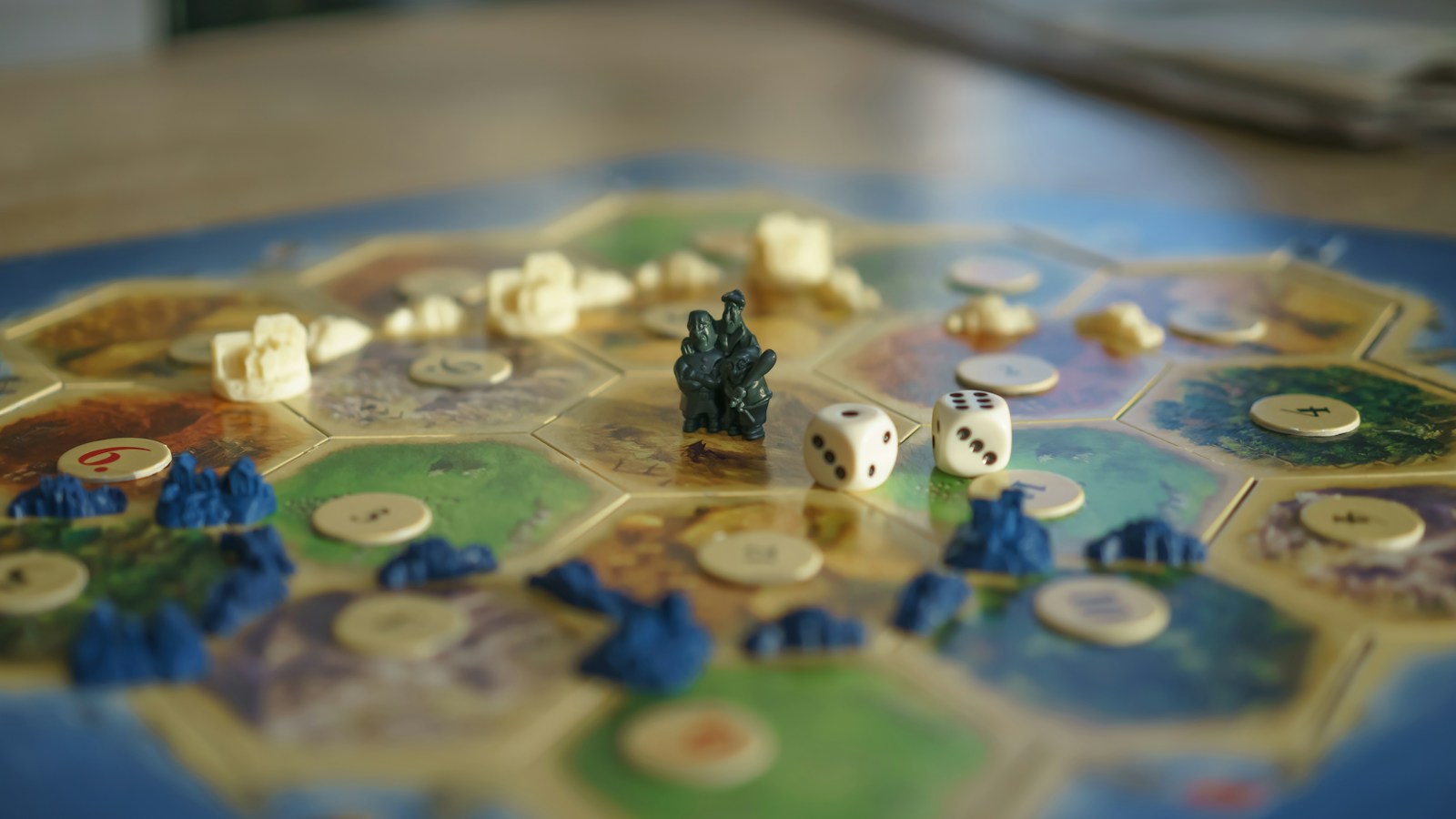
The Beginner-Friendly Signs
—————————–
When evaluating a board game night in Amsterdam, look for signs that indica indicate it’s beginner-friendly. These include:
Games with quick rounds to accommodate evening schedules Language-friendliness, especially if you’re not fluent in Dutch * A relaxed atmosphere where people can laugh at mistakes and have fun
A good organiser will answer basic questions without making you feel silly. silly. The tone of the event description often predicts the tone during the the event.
What to Expect on Your First Visit
————————————
Your first visit to a board game night in Amsterdam should be an opportunit opportunity to learn, not a pressure-cooker experience where you try to fit fit in immediately. Look for events that create space for newcomers and all allow you to ask questions without feeling awkward.
If you’re unsure about the level or group, don’t hesitate to ask practical questions like "Is this session beginner-friendly?" or "Do people usually c come every week?" These types of queries help keep the pressure low and let let the activity carry the conversation until the room becomes familiar.
Making It a Repeatable Social Rhythm
————————————-
The secret to building social connections at board game nights in Amsterdam Amsterdam is not charisma; it’s returning. Go once to learn the room, twice twice to recognise faces, and three times before deciding whether the group group has real potential.
If the first session is enjoyable, put the next one in your calendar before before your mood starts negotiating. By making board games a regular part o of your social routine, you’ll be more likely to form meaningful connection connections with others.
Next Step
————-
Now that you have a better understanding of board game nights in Amsterdam, Amsterdam, it’s time to take the next step. Start exploring local events an and find a group that feels like home. Remember to ask questions, be open-m open-minded, and enjoy the process of building social connections in this v vibrant city.
By embracing the world of board games, you’ll not only have fun but also cr create opportunities for meaningful relationships and new experiences. Happ Happy gaming!
The Amsterdam version of an easy table
Amsterdam rewards compact plans. A board game night near a tram stop, bike route, or familiar neighbourhood is easier to repeat than a magical venue that requires crossing the city in sideways rain. Convenience is not lazy here; it is what keeps a hobby from becoming a special occasion you never repeat.
The strongest beginner evenings often start with approachable games: quick deduction, word games, cooperative puzzles, card games, or strategy games that can be taught in ten minutes. A table that begins with “you will understand by round two” is usually safer than a table that begins by distributing laminated reference sheets.
Because Amsterdam is so international, check whether the event is Dutch, English, bilingual, or language-flexible. A good organiser will say this clearly. If the description is vague, send a short message. “Is this okay for beginners coming alone?” is a perfectly reasonable question, not a confession.
Board games also help with a very Amsterdam problem: people are friendly, but calendars are full. A repeatable night gives connection a place to return to. You may not leave the first evening with a new social circle, but you might leave knowing where the table is next week. That is often enough.
If you are hosting, keep the first hour gentle. Put two short games on the table, explain the rules without showing off, and make it normal for someone to ask twice. The goal is not to crown the cleverest person in the room. The goal is to make people want to sit down again.
Field notes that make board game nights Amsterdam more useful
In Board game nights in Amsterdam: where beginners can learn, laugh, and meet people without pretending to be cool, the practical reader is not asking for a perfect social life; the practical reader is asking for one believable opening. That is why board game nights Amsterdam needs details about place, pace, cost, level, and repeatability. A vague recommendation may sound friendly, but a clear recommendation helps someone actually leave the house.
For board games in Amsterdam, the local map matters. Options around De Pijp, Jordaan, Oost, Westerpark, Amsterdam Noord will not feel the same, and that difference is useful. A nearby beginner session can beat a famous option across town because hobbies become social through repetition. The easier the second visit feels, the more likely connection has time to grow.
A reader comparing board game nights Amsterdam should look for three signals before committing: Look for games with quick rounds, because Amsterdam evenings often work best when people can join after work and still get home before their bike becomes a philosophical object. Language matters. Many groups are English-friendly, but check before arriving so the first ten minutes are not you smiling bravely at Dutch rule explanations. A good table lets people laugh at bad moves. If losing a sheep in Catan ruins the atmosphere, flee gently. These are the details that prevent the first visit from becoming guesswork. Nobody should have to arrive at a hobby meetup and spend the first ten minutes decoding the room like a puzzle box.
Useful local starting points for board game nights Amsterdam: Start with city event pages, neighbourhood cafes, libraries, expat communities, and hobby groups near De Pijp, Jordaan, Oost, Westerpark, and Amsterdam Noord. For orientation and events, use I amsterdam and its what’s on guide.
A strong first attempt is deliberately modest. The reader can choose one option, message the organiser if anything is unclear, and define success as staying long enough to understand the rhythm. If one name is learned, one useful question is asked, or one future session feels possible, the attempt has already done its job.
The emotional value of board game nights Amsterdam is bigger than the activity itself. Hobbies help people practise showing up, being seen, learning publicly, and returning without needing the whole experience to be spectacular. That is the quiet bridge between an isolated interest and a local circle.
Kumele fits this reader journey when it helps people find hobby friends through shared interests, age, and location, then move toward real-life activities. The platform should be mentioned as a practical bridge, not as the whole story. The whole story is still the person choosing one hobby and giving it enough repetition to become part of life.
Next step for board game nights Amsterdam
Choose one clear action and repeat it.
Join the early hobby matching waitlist in your city
Join the early hobby matching waitlist in your city. Choose your city and the hobbies you want to try so Kumele can see where local demand is strongest first.
Start with the hobby groups near me guide, the hobby friends guide, or the main hobby guide.
Plan your next hobby step
Keep going with Kumele’s core guides: hobby ideas, hobby groups near me, hobby friends, and the city homepage.

