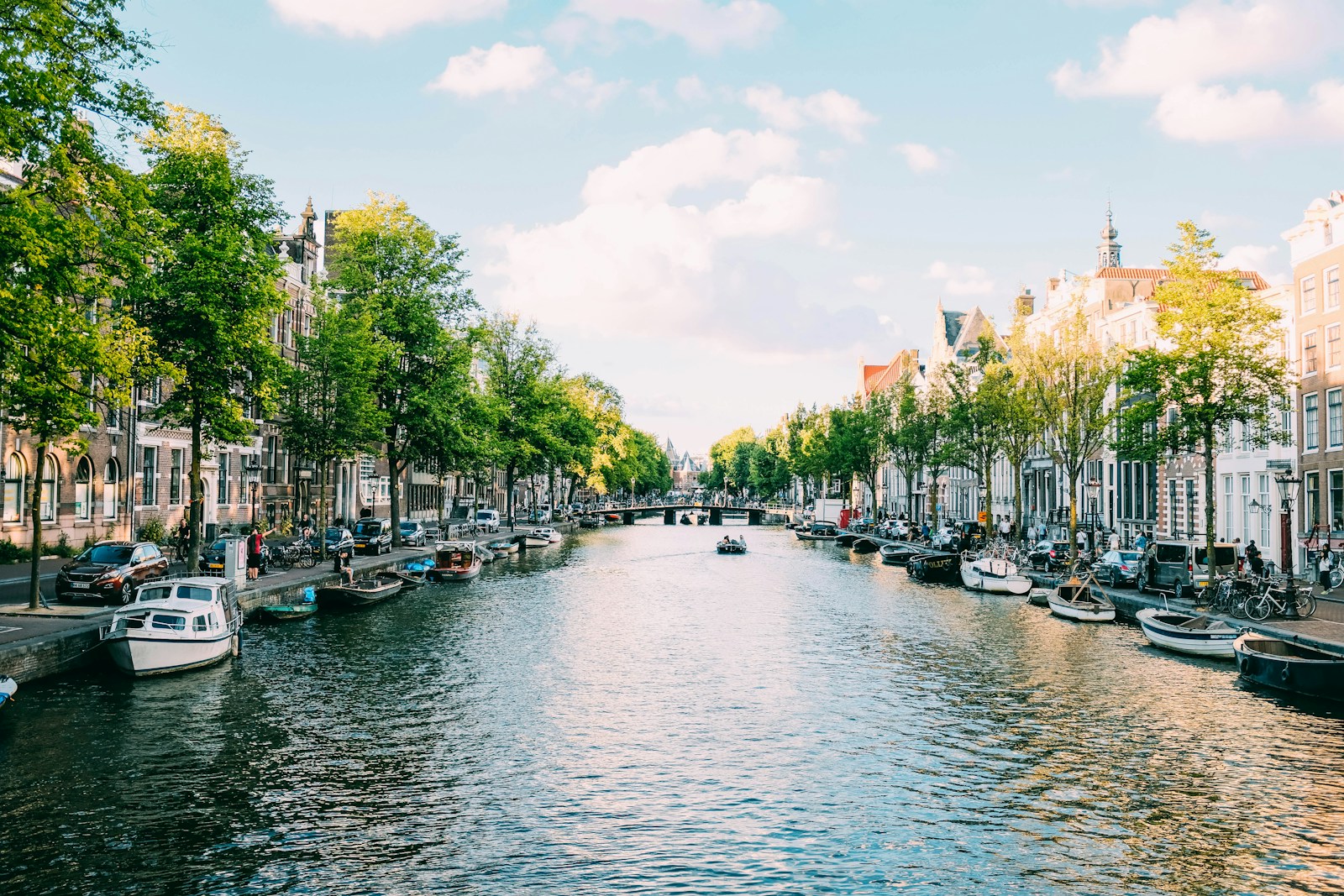
Category: Amsterdam

  • Pottery classes in Amsterdam: beginner-friendly studios, prices, and meeting people through clay

    Pottery classes in Amsterdam: beginner-friendly studios, prices, and meeting people through clay

    Pottery classes in Amsterdam give you a simple way to learn with your hands and meet people at the same time. You do not need to be an artist. A good beginner class shows each step, lets you work at a calm pace, and gives you time to ask questions. This guide explains how to choose a class, what a first visit feels like, what it may cost, and how to make the most of it.

    Choose the right beginner class

    Start with a class that clearly says beginners are welcome. Some sessions are one-off tasters. Others run every week for several weeks. A taster is useful if you want to try clay before you book a longer course. A weekly course is better if you want to build skill and see the same people again.

    Read the class page before you book. Check the length, location, group size, language, and age rules. Ask whether clay, tools, glaze, and firing are included. “Firing” means heating the finished piece in a kiln so it becomes hard. If the page is not clear, send a short message before paying.

    What pottery classes in Amsterdam usually teach

    Most beginner sessions start with hand building. You may press, pinch, roll, or join pieces of clay to make a cup, bowl, tile, or small sculpture. Another common lesson uses a pottery wheel. The wheel turns while you shape the clay with both hands. A teacher normally demonstrates first and then helps you one step at a time.

    Your first piece may not look perfect. That is normal. Clay can lean, crack, or change shape as it dries. The useful part is learning how much water to use, how to make a join strong, and how to keep the walls of a pot even. A class should leave room for mistakes and questions.

    Prices and what is included

    Prices vary by studio, class length, teacher, and what happens after the lesson. A short taster often costs less than a multi-week course. A longer course may include more clay, several firings, or a glaze session. Do not rely on an old price copied into a blog post. Check the studio’s current booking page before you pay.

    • Ask if clay is included.
    • Ask how many pieces will be fired.
    • Ask whether glaze is included or costs extra.
    • Ask when finished work can be collected.
    • Check the refund and cancellation rules.

    If a listing says “from” a price, ask what the normal total is for a beginner visit. Also check whether tools, an apron, or a deposit are separate. Clear answers help you compare classes fairly.

    What to wear and bring

    Wear clothes that can get dusty. Comfortable trousers and a top with sleeves that stay out of the clay are useful. Closed shoes are safer than sandals. Remove rings and bracelets before you start because clay can catch on them. Bring water, a way to pay for any extra firing, and a phone note with the studio address.

    You usually do not need to bring tools. Studios normally provide bats, ribs, sponges, wire cutters, and basic tools. If you have long nails, hand building may feel easier than using a wheel. Tell the teacher about any wrist, hand, or back problem before the class begins.

    Finished ceramic plates and bowls on a wooden work table

    What happens on the day

    Arrive a few minutes early so you can find the room and wash your hands. The teacher may explain the studio rules, show the tools, and talk about safe use of the wheel. You will then choose a project or follow the lesson plan. Ask for help when the clay feels too wet, too dry, or hard to centre.

    At the end, the teacher may mark your work and leave it to dry. Drying can take several days. The first firing happens after the clay is fully dry. Some studios glaze work for you. Others invite you back for a separate glazing session. Ask how you will be told that your piece is ready.

    Meeting people without forced small talk

    A pottery class gives you an easy shared subject. Ask someone what they are making, which shape they find hard, or whether they have tried a wheel before. You do not need to speak all the time. Working beside the same people each week can make conversation feel easier.

    If you want to meet people in Amsterdam, choose a regular course, arrive on time, and stay for a few minutes after class when it feels comfortable. A simple “How did your piece go?” is enough to start. Respect people who prefer to focus quietly.

    Questions to ask before booking

    • Is this class suitable for a complete beginner?
    • What is the current total price?
    • Are clay, glaze, tools, and firing included?
    • How many people are in the group?
    • Is the class taught in English, Dutch, or both?
    • How long does finished work take?
    • What happens if my piece breaks in the kiln?

    Useful local checks

    Use the official Amsterdam website for city information and the Amsterdam Kumele homepage for more local activity ideas. Check the studio’s own current page for dates, prices, access details, and booking terms. This keeps your plan based on information that may have changed recently.

    Making the visit easier

    Plan the trip before you book. Check the studio address, nearby tram stops, bicycle parking, and opening time. If you need step-free access, ask about the entrance, toilet, work table, and wheel before paying. A clear answer is better than guessing.

    Clay can feel tiring after a long session. Take short breaks, drink water, and follow the studio cleaning rules. Staff can show you where to put scraps and used water. These habits keep the room safe for the next group.

    When you collect your work, check it before you leave. Take a photo and note the class date. If you enjoyed the lesson, ask about open practice, a second beginner session, or a next-level course. This gives you a clear next step without booking more than you need.

    Three handmade ceramic vases from an Amsterdam pottery class
  • Bouldering Amsterdam beginner guide

    Bouldering Amsterdam beginner guide

    Bouldering in Amsterdam is a simple way to move, solve small problems, and meet people without forced small talk. You do not need rope skills or past climbing experience. This guide explains what to expect, what to bring, how to stay safe, and how to choose a first visit that feels manageable.

    What bouldering is

    Bouldering is climbing on shorter walls without ropes. Thick mats cover the floor, and routes are called problems. Each problem has a start, a finish, and a set of holds to use. You can climb up, climb down, rest, and try again. A good first session is about learning the room, not proving how strong you are.

    What to bring

    Wear clothes that let you bend and stretch. Bring water and a small snack if you are coming after work. Most gyms rent climbing shoes and sell or lend chalk. You do not need to buy gear before you know that you enjoy the activity. Tie back long hair and keep bags away from the mats.

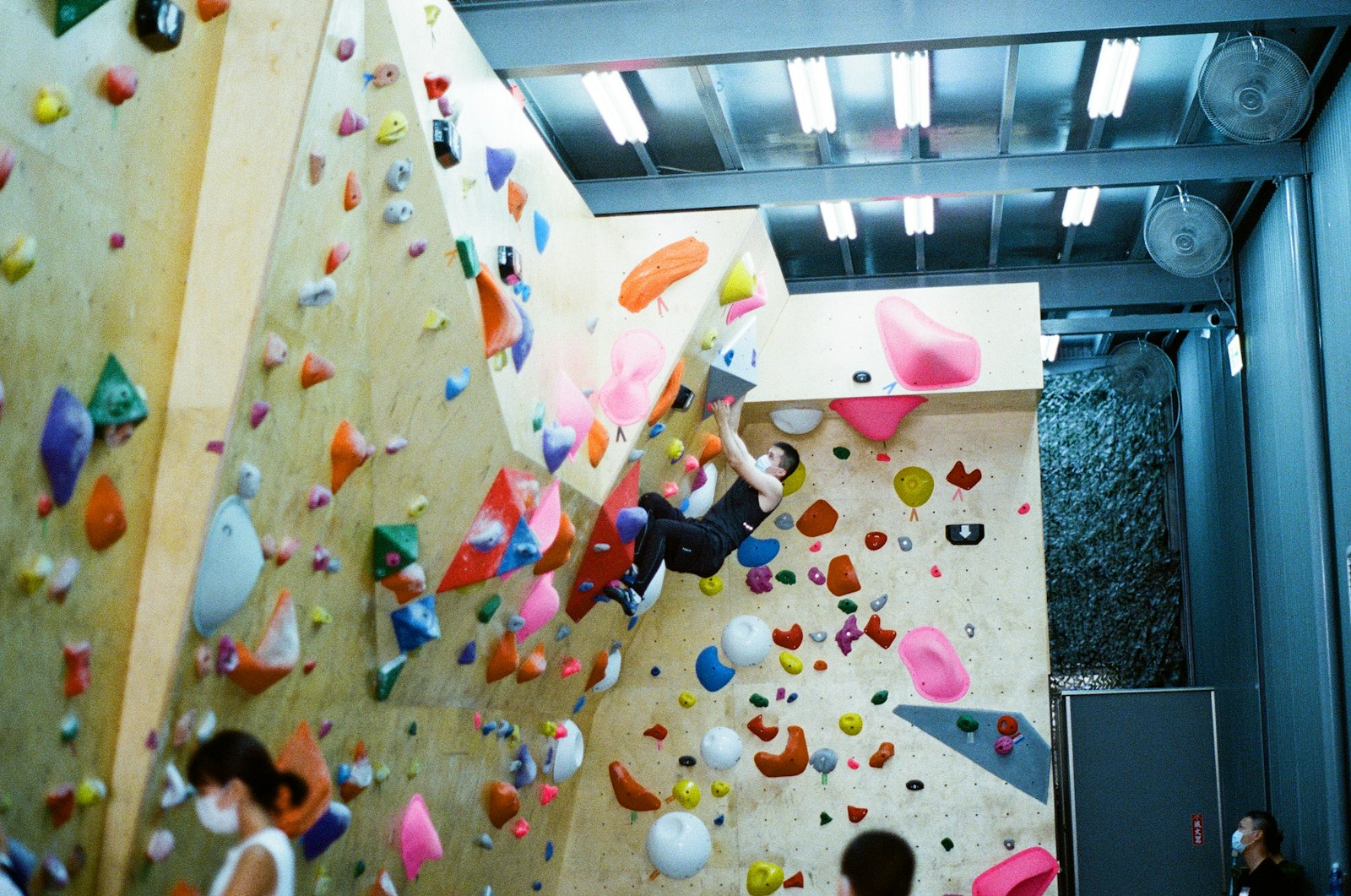
    Climber reaching for a hold on an indoor bouldering wall

    What happens on your first visit

    Staff normally explain the rules, show you how the grading works, and help you choose rental shoes. Start with the easiest problems. Notice how the holds feel and keep your movements slow. You can stop whenever you need a break. Ask staff if you are unsure about a landing, a busy wall, or where to leave your things.

    How to fall well

    Try to climb down when you can. If you need to drop, look at the mat, land with soft knees, and let your body bend. Do not reach out with a straight arm or twist as you land. Keep the landing area clear and never walk under someone who is climbing. A short beginner lesson is worth taking if the gym offers one.

    Basic gym manners

    • Wait until a wall is clear before starting.
    • Do not stand below another climber.
    • Keep bags and bottles off the mats.
    • Take turns on a busy section.
    • Ask before giving someone climbing advice.
    • Wipe or brush holds only when the gym allows it.

    These small habits make the room safer and friendlier. You do not need to know every climbing word. If someone says “beta”, they mean a tip for solving a problem. If someone says they are resting, give them space.

    How to choose a gym in Amsterdam

    The best gym is usually the one you can visit often. Check the travel time, opening hours, beginner classes, wall styles, and rental prices. Look for clear safety rules and staff who answer questions without making you feel silly. A calmer time of day can help if you feel nervous. Check the gym’s own current page for prices and booking rules because these can change.

    How to meet people

    Choose the same day and time each week if you want to see familiar faces. Ask one small question, such as “Have you tried this problem?” or “Is this the start hold?” You can also join a beginner class, social climb, or technique session if the gym runs one. You do not have to become friends with everyone. One short chat is enough for a first visit.

    A simple three-visit plan

    On visit one, learn the layout, rent shoes, try easy problems, and leave while you still feel good. On visit two, repeat a few problems and practise stepping down instead of jumping. On visit three, choose one focus, such as footwork or balance, and speak to one person. Small repeatable steps build confidence faster than buying more gear.

    Questions to ask before paying

    • Is this session suitable for a complete beginner?
    • What is the current entry and rental price?
    • Are there beginner classes or social sessions?
    • What are the quietest times to visit?
    • What should I do if I feel unsure about a landing?

    Useful local links

    Use the official Amsterdam website for city information and the Amsterdam Kumele homepage for more local activity ideas. Check the gym’s own current website before travelling for dates, access details, and prices.

    Keep the first visit simple

    Bouldering works best when you treat it as practice rather than a test. Warm up, rest often, and stop before you are too tired to land safely. Everyone starts by missing easy holds and forgetting where to put their feet. That is part of learning. Return when you are ready, and let the habit grow at your own pace.

    Finding a comfortable routine
    Many people enjoy bouldering because each visit can be short. You can go before work, after work, or at the weekend. Pick a time that fits your real week, not an ideal plan. Put your shoes and water in one small bag so leaving home is easy. If you miss a week, simply return when you can.
    Rest is part of the activity. Sit away from the landing area, drink water, and watch how other climbers solve a problem. You may learn by seeing where they place their feet, but ask before copying or giving advice. Good gym culture leaves room for quiet focus as well as conversation.
    Keep facts current
    Opening hours, prices, classes, and access rules can change. Check the gym’s own website or ask staff before you travel. Do not assume that a class listed months ago is still running. If you are visiting from another part of Amsterdam, allow time for travel and check the last tram or bike route home.
    With the right pace, a first bouldering visit can be simple: arrive, learn the rules, try easy climbs, rest, and leave feeling ready to return. You do not need to be strong, social, or confident on day one. You only need a safe start and a plan that you can repeat.

    Amsterdam beginners practicing technique on an indoor bouldering wall
  • Bouldering in Amsterdam: beginner gyms, etiquette, and how to find a climbing buddy

    Bouldering in Amsterdam: beginner gyms, etiquette, and how to find a climbing buddy

    Bouldering in Amsterdam is easy to try because you climb short walls without ropes. Thick mats cover the floor, and each route is a small movement puzzle. You can go alone, take a class, or meet regulars without forced small talk.

    What bouldering means

    Bouldering uses short walls and no rope. Routes are called problems. Each one has a start, a finish, and holds to use. You climb down when you can, rest often, and try again. You do not need past climbing experience or a strong body to begin.

    What to bring

    Wear clothes that let you bend and stretch. Bring water and a small snack if you are coming after work. Amsterdam gyms usually rent climbing shoes and sell or lend chalk. Tie back long hair and keep bags away from the mats. Wait before buying gear until you know you enjoy the activity.

    Climber reaching for a hold on an indoor bouldering wall

    What happens on a first visit

    Staff normally explain the safety rules, show you the grading system, and help with rental shoes. Start with the easiest problems. Keep your movements slow and stop for breaks. Ask staff if you are unsure about a landing, a busy wall, or where to leave your things.

    How to fall safely

    Try to climb down instead of jumping. If you need to drop, look at the mat, land with soft knees, and let your body bend. Do not reach out with a straight arm or twist as you land. Keep the landing area clear and never walk under someone who is climbing. Take an introduction class if the gym offers one.

    Simple gym manners

    • Wait until a wall is clear.
    • Do not stand below another climber.
    • Keep bags and bottles off the mats.
    • Take turns on a busy section.
    • Ask before giving advice.
    • Brush holds only when the gym allows it.

    How to choose a gym in Amsterdam

    Choose a place you can visit often. Check travel time, opening hours, beginner lessons, wall styles, and rental prices. Look for clear safety rules and staff who answer questions kindly. A quiet time of day can help if you feel nervous. Check the gym website before travelling because prices and sessions can change.

    How to meet people

    Visit on the same day each week so you see familiar faces. Ask one small question, such as “Have you tried this problem?” or “Is this the start hold?” You can join a beginner class, social climb, or technique session. One short chat is enough for a first visit.

    A simple three-visit plan

    On visit one, learn the layout, rent shoes, try easy problems, and leave while you still feel good. On visit two, repeat a few problems and practise stepping down. On visit three, focus on one skill, such as footwork or balance, and say hello to one person. Small steps build confidence.

    Useful local links

    Use the official Amsterdam website for city information and the Amsterdam Kumele homepage for more local activity ideas. Check each gym’s own current website for prices, access, and class times.

    Keep the first session simple

    Bouldering works best as practice, not a test. Warm up, rest often, and stop before you are too tired to land safely. Everyone misses easy holds at first. Return when you are ready and let the habit grow.

    A second indoor bouldering scene for Amsterdam beginners
  • Running clubs in Amsterdam: beginner-friendly groups, routes, and what to expect

    Running clubs in Amsterdam: beginner-friendly groups, routes, and what to expect

    Running clubs in Amsterdam make it easier to exercise and meet people at the same time. You do not need to be fast or experienced. A good beginner group explains the pace, route, meeting point, and what happens after the run.

    What a running club can be

    Amsterdam groups offer social runs, beginner run-walk sessions, training runs, and mixed-pace community runs. If you are new, look for words such as beginner, social, easy pace, or no one left behind. A clear pace is more useful than a proud distance.

    Where groups run

    Many groups use Vondelpark, Westerpark, Oosterpark, the Amstel paths, or Amsterdamse Bos. These places have easy meeting points and routes that can be shortened. Check the exact meeting place before you leave, because a park can have more than one entrance.

    Runners moving together during an outdoor group run

    How to choose a beginner group

    • Check whether the pace is written in plain words.
    • Look for a distance you can manage, such as 3 to 5 kilometres.
    • Choose a group with a clear meeting point.
    • Check whether the run is in English, Dutch, or both.
    • Read the current date, booking rule, and weather plan.

    What to bring

    Wear running shoes that feel comfortable, clothes that let you move, and a light layer for changing weather. Bring water and a phone. A small payment card can help if the group stops at a cafe. You do not need expensive gear for your first run.

    What happens at your first run

    Arrive five to ten minutes early. Say, “Hi, I am new. Is this the beginner group?” The leader may split people into pace groups and explain the route. Start slowly. It is fine to use short run-walk breaks or to tell the leader that you need to stop.

    Simple running manners

    • Stay with your pace group.
    • Warn others before passing.
    • Keep cycle lanes and footpaths clear.
    • Tell the leader if you feel unwell or need to leave.
    • Do not turn a social run into a race unless the group says it is a race.

    If you worry about being too slow

    Most groups expect different speeds. A run-walk plan is a valid start. Try two minutes of easy running and one minute of walking for thirty minutes. Your first goal is to finish feeling able to return. Fitness grows from regular, manageable sessions.

    How to meet people without forcing it

    Use one small question: “How long have you run with this group?” or “Which route are we taking?” Return on the same day each week so people recognise you. Stay for ten minutes after the run if there is a coffee stop. You do not have to talk to everyone.

    A simple first-month plan

    Week one: choose the easiest group and learn the meeting point. Week two: return if the pace felt safe. Week three: ask one practical question. Week four: stay for a short chat after the run. Four small visits tell you more than one hard session.

    Useful local links

    Use the official Amsterdam website for city information and the Amsterdam Kumele homepage for more local activity ideas. Check each club’s own current page for dates, prices, and weather changes.

    Keep it repeatable

    The best running club is one you can reach and enjoy often. Start with a kind pace, listen to your body, and leave before you are exhausted. A short run repeated each week can build fitness and friendships without turning your free time into a test.

    Amsterdam beginners running together at a comfortable group pace
  • Volunteer groups in Amsterdam: community projects that also make friends

    Volunteer groups in Amsterdam: community projects that also make friends

    Volunteer groups in Amsterdam help you meet people while doing something useful. You do not need special skills. A good group explains the task, time, meeting place, and what to bring.

    What volunteering can look like

    Groups may help in parks, food projects, community kitchens, gardens, shelters, or local events. Choose one clear task for your first visit. You can ask how long it takes before you agree.

    How to find a group

    Use the official city information and local volunteer listings to compare tasks. Read the current date, age rule, language, cost, and contact details. If a page has no clear organiser or meeting point, choose another group.

    People working together on a community project

    Pick a beginner-friendly first visit

    • Choose a task that lasts one to three hours.
    • Pick a place you can reach easily.
    • Ask if English, Dutch, or both are used.
    • Check if you need gloves, food, or a permit.
    • Save the organiser’s phone number.

    What to bring

    Wear clothes you can work in and shoes that can get dirty. Bring water, a phone, and any item the organiser asks for. Do not bring expensive things you do not need.

    What happens on the day

    Arrive ten minutes early and say that it is your first visit. The organiser should show you the task and who to ask for help. Start with a small job. Tell someone if you need a break or need to leave.

    How to talk to people

    Ask one easy question: “How long have you volunteered here?” or “What are we doing first?” Working side by side makes short chats feel natural. Return to the same group if you liked the people and the work.

    Simple local checks

    Check the official Amsterdam website for city information and the Amsterdam Kumele homepage for more local activity ideas. Confirm each project’s own date and contact details before you travel.

    Keep it manageable

    One short visit is enough to start. You can try a different group if the task, pace, or people do not suit you. The best group is one you can reach, understand, and enjoy often.

    Amsterdam volunteers meeting before a community project
  • Best Amsterdam neighborhoods for hobbies: where to meet people naturally

    Best Amsterdam neighborhoods for hobbies: where to meet people naturally

    Amsterdam has hobby groups in many parts of the city. The best area is the one you can reach often and where the activity feels easy to join. You do not need to know the neighbourhood before you go.

    Start with the kind of hobby

    Choose the activity first: books, cooking, sport, music, crafts, games, or volunteering. Then check which groups meet near you. A clear activity gives you an easy first topic.

    Neighbourhoods people often use

    De Pijp has cafes, classes, and small groups. Oud-West has parks, studios, and community events. Noord has makerspaces, music, and creative projects. Oost has parks, sports, and local meeting places. West and Nieuw-West also have community centres and volunteer projects.

    People talking together at a community activity

    How to choose a good first visit

    • Pick a place that takes less than forty minutes to reach.
    • Look for a beginner or open session.
    • Check the date, price, language, and meeting point.
    • Read what to bring and how to sign up.
    • Save a contact name in case you are late.

    Make the first visit simple

    Arrive ten minutes early. Say, “Hi, I am new. Is this the right group?” Follow the organiser’s lead. You can watch one round before joining. Leave when you need to; one visit is enough to learn if it suits you.

    Use the city well

    Check the official Amsterdam website for local information and the Amsterdam Kumele homepage for more activity ideas. Always confirm the organiser’s own page for current dates and prices.

    Build a routine

    Try the same group twice before judging it. People recognise regular faces, and short chats become easier. If the area is hard to reach, choose a similar hobby closer to home. A simple routine works better than a perfect plan.

    Amsterdam neighbors meeting through a local volunteer activity
  • Amsterdam walking groups: canal loops, parks, and newcomer-friendly walks

    Amsterdam walking groups: canal loops, parks, and newcomer-friendly walks

    Walking groups in Amsterdam are an easy way to see the city and meet people. You can choose a short canal walk, a park walk, or a longer weekend route. You do not need to be very fit.

    Choose the right walk

    Look for words such as easy, social, beginner, or slow pace. Check the distance, meeting point, language, and finish time. A clear plan helps you decide if the walk suits you.

    People standing together outdoors

    Good places to start

    Groups often use canal paths, Vondelpark, Westerpark, Oosterpark, or Amsterdamse Bos. Ask the organiser which entrance to use. Large parks may have more than one meeting place.

    What to bring

    • Comfortable shoes.
    • Water and a light rain layer.
    • A phone with the meeting details.
    • Small money for a cafe stop if planned.

    On your first walk

    Arrive ten minutes early and say you are new. Stay near the organiser and ask if you need a break. Walking side by side makes small talk easier. One simple question, such as “How long is today’s route?”, is enough.

    Check current details

    Use the official Amsterdam website for city information and the Amsterdam Kumele homepage for more local ideas. Confirm the organiser’s own page for dates and route changes.

    Keep it easy

    Try the same group twice before deciding. If the pace or route is wrong, choose a shorter walk. The best group is one you can reach and enjoy often.

    Before you choose a group

    Think about what you want from the walk. Some groups focus on exercise. Some focus on meeting people. Some stop for coffee or a market visit. Read the group description and choose the one that sounds comfortable. You can email the organiser before joining if the page leaves out important details.

    Route length and breaks

    Ask how far the group plans to walk and how often it stops. A short route may still feel long if the group walks quickly. A longer route can feel easy when there are regular breaks. Tell the organiser your normal walking pace. It is better to choose a slower group than to spend the day trying to keep up.

    Canal walks

    Canal routes can be beautiful, but paths may be narrow or busy. Keep to the side and let bikes pass. Wear shoes with a good grip when the ground is wet. Ask where the group will cross roads and whether the route has steps.

    Park walks

    Park routes give a group more space and often have benches. They can become muddy after rain. Check the weather and bring a light coat. In the evening, ask whether the route has enough light and where the walk ends.

    Language and welcome

    Many Amsterdam groups use English, Dutch, or both. The organiser should say which language is used. If you miss a word, ask people to repeat it. You do not need perfect Dutch or English to join a friendly walk. A simple hello and your name are enough.

    Safety and comfort

    Stay with the group and keep your phone charged. Tell the organiser about an injury or health need before starting. If you feel unwell, stop and ask for help. You are allowed to leave early. Keep valuables close and follow local traffic signs.

    How to make friends slowly

    Use the same small questions each time: “How did you find this group?” “Which part of Amsterdam do you like?” or “Do you know a short route?” Listen to the answer and share one small detail about yourself. You do not need to make a close friend on the first walk.

    A four-visit plan

    On visit one, learn the meeting point. On visit two, learn the route. On visit three, stay for a short chat. On visit four, ask if there is another walk or volunteer activity. Repeating a simple plan gives people time to recognise you.

    What to do if the group is not right

    You may find that the pace, language, or route does not suit you. That is useful information. Try a shorter walk, a different day, or another organiser. Do not judge every walking group from one visit.

    Finding the meeting point

    Read the map and save the exact address before leaving home. Some groups meet beside a cafe, bridge, station, or park gate. Arrive early enough to find the place without rushing. If the meeting point changes, follow the organiser’s latest message.

    Weather changes

    Amsterdam weather can change during one walk. Bring a light waterproof layer and check the forecast. A walk may be shortened in heavy rain or strong wind. Ask the organiser what happens when the weather is bad.

    Walking with children or a dog

    Check the group rule before bringing a child or dog. Some routes are busy or narrow. Tell the organiser in advance so the group can plan a safe pace.

    After the walk

    Thank the organiser and ask when the next walk is. You can join a chat group if one is offered, but you do not have to share personal details. Write down what you liked and what you would change before choosing your next visit.

    Simple choice

    Choose a group with a clear plan, a pace you can manage, and a meeting point you can reach. Start short, return once, and let the friendships grow at a normal pace.

    Small details that help

    Carry a small snack if the walk is long. Wear a layer you can remove when you warm up. Keep the route message easy to find on your phone. If you are unsure, ask before the walk starts. Clear questions prevent stress and help the organiser support everyone.

    Keep your first visit focused on learning the route and meeting one or two people. You can decide later whether the group is a good fit. A calm start is more useful than trying to do everything at once.

    Bring patience and give yourself time to settle in. A first walk is a test of the group, the route, and the pace. You can always choose another day or another organiser.

    Amsterdam neighbors walking together beside a canal
  • Hobby meetups in Amsterdam: low-pressure ways to meet people

    Hobby meetups in Amsterdam: low-pressure ways to meet people

    Hobby meetups in Amsterdam help you meet people while doing something you already enjoy. You can try books, games, cooking, music, crafts, sport, or photography. A shared activity makes the first chat easier.

    Choose one clear activity

    Start with a group that explains the activity, time, place, language, and price. Beginner sessions are useful because the organiser expects new people. Read the current date before you travel.

    People talking together at a hobby meetup

    Good places to look

    Community centres, libraries, cafes, parks, studios, and makerspaces often host meetups. De Pijp, Oud-West, Noord, Oost, and West all have local activities. Choose a place you can reach without a long trip.

    Before you go

    • Check the meeting point and start time.
    • Read what to bring.
    • Ask which language the group uses.
    • Save the organiser’s contact details.
    • Wear clothes that suit the activity.

    What to say

    Arrive early and say, “Hi, I am new. Is this the right group?” Ask one small question about the activity. You do not need to talk to everyone. Working together gives the conversation a natural topic.

    Try it twice

    One visit may feel strange because everything is new. Try the same meetup a second time if the activity felt safe and clear. People recognise regular faces, and short chats become easier.

    Useful links

    Use the official Amsterdam website for city information and the Amsterdam Kumele homepage for more local ideas. Confirm each organiser’s own page for current dates, prices, and rules.

    Keep it low pressure

    You can leave after the activity and decide later whether to return. The best meetup is one you understand, enjoy, and can reach often.

    New Amsterdam residents meeting through a low-pressure hobby meetup
  • Urban sketching in Amsterdam: beginner meetups, what to bring, and finding your people one café at a time

    Urban sketching in Amsterdam: beginner meetups, what to bring, and finding your people one café at a time

    Urban sketching is one of the most underrated ways to:

    • explore a city slowly
    • get better at drawing without “taking it seriously”
    • and meet people without having to perform your personality
    Amsterdam urban sketching beginners drawing canals and crooked houses

    If you’re searching urban sketching Amsterdam, you might be curious about the art side…

    …but you might also be craving a hobby that gets you out of the house and into a gentle social rhythm.

    This guide covers what urban sketching is, what to bring as a beginner, what a meetup feels like, and how to find your people one sketch at a time.

    Quick answer: what is urban sketching?

    Urban sketching is drawing on location—streets, cafés, parks, canals, buildings, people (if you’re brave), anything.

    It’s not “make perfect art.” It’s:

    • look closely
    • draw what you see
    • accept that your lines are allowed to be human

    Many urban sketchers use quick lines and simple shapes. It’s about observation as much as technique.

    Why urban sketching is a great “meet people” hobby in Amsterdam

    It’s social in the most introvert-friendly way:

    • you draw together
    • you talk in small bursts
    • silence is normal
    • you can leave without it being a big deal

    Also, it attracts people who are:

    • curious
    • patient
    • and usually pretty kind to beginners

    What to bring (beginner kit you can actually use)

    You can start with almost nothing.

    Minimum:

    • a sketchbook (any size you’ll actually carry)
    • a pen or pencil

    Nice-to-have:

    • a fineliner (easy and forgiving)
    • a small watercolor set (later)
    • a clip/binder clip (wind is real)

    Avoid buying 47 art supplies before you’ve drawn anything. Start. Then upgrade based on what annoys you.

    What to sketch in Amsterdam when you’re a beginner

    Beginner-friendly subjects:

    • bicycles (simple shapes + repetition)
    • canal houses (boxes + windows)
    • bridges (strong lines)
    • café interiors (tables, cups, plants)
    • street corners (great perspective practice)

    Not beginner-friendly (unless you enjoy suffering):

    • crowds of people
    • complicated boats
    • “perfect perspective” obsession

    Start simple. Finish something. That builds confidence faster than one perfect drawing attempt.

    What a sketch meetup actually feels like

    If you’ve never been, here’s the emotional reality:

    • first 5 minutes: “Everyone is better than me.”
    • next 15: “Oh, people are just… drawing.”
    • later: “Okay, I want to do this again.”

    A typical meetup:

    • meet at a spot
    • short hello
    • draw for 30–60 minutes
    • optional sharing at the end (“show if you want”)
    • people might go for a drink/coffee after

    You can participate as much as you want. Quiet participation is still participation.

    Where to find urban sketching meetups in Amsterdam (without guessing forever)

    Try search combinations like:

    • “urban sketching Amsterdam meetup”
    • “sketch walk Amsterdam”
    • “drawing meetup Amsterdam”
    • “plein air sketching Amsterdam”

    Also look for:

    • community art studios
    • local creative groups
    • workshop calendars

    If you’re new to the city, prioritize something you can reach easily. Consistency beats the “perfect” location.

    How to join as a beginner (without feeling like an imposter)

    Use this one sentence:

    > “Hi, I’m new to sketching—mind if I join?”

    That’s it.

    Urban sketching groups tend to love beginners because beginners bring:

    • enthusiasm
    • fresh eyes
    • and the humility of someone who hasn’t yet developed the “art ego” problem

    Tiny sketching tips that make you feel instantly more capable

    1) Start with the big shapes

    Draw the building as a box first. Add details later.

    2) Limit your time

    Set a timer: 10–15 minutes per sketch. It prevents perfection paralysis.

    3) Pick one “anchor line”

    For canals and streets, choose one strong line and build from there.

    4) Leave things unfinished on purpose

    You’re practicing seeing, not proving.

    Making friends through sketching (low-pressure version)

    The easiest social moves:

    • “What are you drawing?”
    • “What pen is that?”
    • “I love that linework—how did you do it?”

    Then you draw again.

    Friendship in hobby groups often happens through repetition:

    • seeing the same people
    • sharing tiny updates
    • gradually becoming familiar

    Where Kumele fits

    If you’re building a hobby routine in Amsterdam and you want it to lead to real-life connection, Kumele is built around hobby-led community.

    Start here:

    FAQ

    Do I need to be good at drawing to join?

    No. Urban sketching is practice-by-doing. Beginners are common.

    What if I’m shy?

    Sketch meetups are naturally low-pressure. You can join quietly and talk only when you want.

    What’s the easiest sketching tool for beginners?

    A simple pen or pencil and a small sketchbook. Add watercolor later if you enjoy it.

    What makes this worth trying in Amsterdam

    Amsterdam suits compact hobby plans: clear routes, realistic timing, bike-friendly logistics, and indoor backups for days when the weather arrives with opinions. For creative workshops, the strongest plan is usually the one that answers the little questions people are almost embarrassed to ask: where exactly do we meet, what level is this, what should I bring, what happens if I arrive alone, and is there a graceful way to leave if the format is not for me? Those details are not boring. They are what turn curiosity into attendance.

    A useful urban sketching in amsterdam: beginner meetups, what to bring, and finding your people one café at a time should also protect beginners from two extremes: events so vague nobody knows what to do, and groups so intense that the first meeting feels like an audition. The middle is where most good hobby communities live. There is structure, but not stiffness. There is warmth, but not forced intimacy. There is enough humour to survive the awkward first five minutes without pretending awkwardness is a personal failure.

    Places and formats to compare

    In Amsterdam, start by matching the hobby to the setting. Vondelpark can work for outdoor or calm plans, Westerpark and De Pijp may suit social or creative formats, and Jordaan can be useful when the activity needs a recognizable meeting point. The exact choice depends on the topic, but the principle stays the same: the place should make the activity easier, not simply look good in a photo. For “Urban sketching in Amsterdam: beginner meetups, what to bring, and finding your people one café ”, that small distinction is what makes the advice usable rather than decorative.

    Practical formats to consider include sketch walks, pottery classes, collage nights, and museum-to-sketchbook sessions. A good listing or invitation should explain the expected level, duration, cost, equipment, language, and group size. If the answer to every practical question is “just show up,” that can be charming once. It is less charming when someone is standing outside the wrong entrance wondering if they have joined a hobby group or a mild test of character.

    How Kumele fits without taking over the article

    Kumele should not be the whole story in an article like this. The reader came for help with creative workshops, so the guide should teach the hobby scene first. Where Kumele becomes relevant is the compatibility layer: it is a hobby meetup and matching app focused on hobbies, age, and location. In plain English, that means the useful question is not only “what can I do?” but “who nearby might enjoy doing this with me?”

    That distinction matters. A person can love creative workshops and still need the right pace, neighborhood, schedule, age context, or beginner level. Matching around shared interests and local life is more useful than throwing people into one giant room and hoping charm appears on command. The goal is real-life activity, not endless browsing.

    A reader-first next step

    If you want to use this guide today, pick one specific action. Search for one beginner-friendly option, save one place to check, or message one person who might enjoy the same activity. Do not redesign your entire social life before lunch. That is how hobbies become another tab you keep open for emotional decoration. For “Urban sketching in Amsterdam: beginner meetups, what to bring, and finding your people one café ”, that small distinction is what makes the advice usable rather than decorative.

    Start small and make the first move practical. Choose one creative sessions, check the details, and give yourself permission to be new. Most adults are not looking for a flawless entrance. They are looking for a reason to return, a familiar face, and a hobby that makes the city feel a little less anonymous.

    Final thought

    The best approach to urban sketching Amsterdam is not to hunt for the perfect group. Start with one clear, beginner-friendly option, notice how it feels, and repeat the parts that make you want to come back. Real community usually begins with a small plan that is easy enough to do again.

    Join the early hobby matching waitlist in your city

    Join the early hobby matching waitlist in your city. Choose your city and the hobbies you want to try so Kumele can see where local demand is strongest first.

    Start with the hobby groups near me guide, the hobby friends guide, or the main hobby guide.

    Amsterdam sketching meetup participants meeting beside a canal
  • Running clubs in Amsterdam: beginner-friendly ways to join, what to expect, and making friends at your pace

    Running clubs in Amsterdam: beginner-friendly ways to join, what to expect, and making friends at your pace

    If you’re searching running clubs Amsterdam, you’re probably looking for one of two things:

    1) a reason to run regularly (because “motivation” is a flaky friend) 2) a friendly way to meet people in a city where social circles can feel… already assembled

    Amsterdam beginners moving together during a comfortable group run

    Amsterdam is a great running city: flat, scenic, and full of routes that make you forget you’re “doing cardio” and not just starring in your own slightly sweaty indie film.

    This guide covers how run clubs in Amsterdam typically work, how to find beginner-friendly groups, what to bring, how to choose a pace group without ego, and how to make it social without making it weird.

    Quick answer: are there beginner running clubs in Amsterdam?

    Yes. Many running groups include:

    • beginner-friendly pace groups
    • “easy run” sessions
    • social coffee after
    • a mix of locals and internationals

    The trick is not picking the group with the flashiest photos. It’s picking the group you can realistically show up to weekly.

    What “run club” actually means (because it varies)

    Different clubs can feel totally different.

    Common formats:

    • Social runs (chatty pace, low pressure)
    • Intervals/track sessions (more structured, faster)
    • Long runs (weekend, endurance-focused)
    • Mixed sessions (warm-up together, then split into pace groups)

    If you’re new, look for:

    • “easy run”
    • “all levels”
    • “beginners welcome”
    • “social run”

    And don’t be afraid to avoid:

    • “advanced only”
    • “race team”
    • anything that makes your nervous system tighten

    What to expect at your first run club session

    Most first sessions follow this emotional arc:

    1) “Everyone looks like they run for fun. Should I leave?” 2) “Oh, there are normal people here.” 3) “Okay, I can do this.”

    Typical flow:

    • quick hello / briefing
    • warm-up jog
    • split into groups (by pace or distance)
    • run
    • cooldown / stretch
    • optional coffee/tea

    If the club is welcoming, someone will:

    • ask if you’re new
    • tell you where to stand
    • explain how groups work

    If nobody does, you can say:

    > “Hi, first time—what group would you recommend for a slower/easy pace?”

    That one sentence solves 80% of the anxiety.

    What to bring (and what you don’t need to overthink)

    Bring:

    • running shoes you can walk in after (your feet will thank you)
    • clothes for the weather (wind changes the vibe fast)
    • water (especially in warmer months)
    • your phone (for meeting point logistics)

    Nice-to-have:

    • a light layer you can tie around your waist
    • a small snack if you run better with fuel

    You do not need:

    • expensive gear
    • a watch (helpful later, not required)
    • a backstory about why you “fell off running”

    How to pick the right pace group (without ego or shame)

    Beginner mistake: joining the faster group because you wish you were that fast.

    Better:

    • choose the pace where you can talk in short sentences
    • where you can finish without feeling punished
    • where you’ll actually return next week

    Social running works when you can breathe.

    Beginner-friendly running routes in Amsterdam (general areas)

    You don’t need secret routes, but it helps to know the “obvious” ones are popular for a reason.

    Many runs in Amsterdam naturally orbit places like:

    • parks and green loops
    • canals and quieter streets
    • routes that avoid heavy traffic lights

    If you’re joining a group, they’ll usually have a familiar loop. Your job is to follow and not apologize for being human.

    How to find running clubs in Amsterdam (search terms that actually work)

    Try combinations like:

    • “run club Amsterdam beginners”
    • “social run Amsterdam”
    • “easy run group Amsterdam”
    • “running community Amsterdam”
    • “international running Amsterdam”

    Also check:

    • local sports stores (they sometimes host runs)
    • community boards
    • events calendars

    If you’re new to the city, choose convenience over perfection. The best club is the one you can get to on a weeknight without negotiating with your couch.

    Making friends at run club (without forcing it)

    You don’t need to be the funniest person in the group. You need to be a repeatable presence.

    Simple, low-pressure moves:

    • arrive 5 minutes early and say hi to one person
    • ask one practical question (“How long is the route?”)
    • after the run: “Are you guys grabbing coffee?”
    • the key line: “See you next week?”

    The friendship build is often:

    • week 1: names
    • week 2: recognition
    • week 3: a real conversation

    If you’re worried about being “too slow”

    Two truths:

    1) Many clubs have slower groups. 2) If a club makes you feel bad for being a beginner, it’s not your club.

    Better to be the slowest person in the right group than the fastest person in the wrong one.

    Safety and comfort tips (especially if you’re running after work)

    Practical checks:

    • run with a group when possible
    • choose well-lit routes if it’s dark
    • bring a small light or reflective element in winter
    • trust your instincts about routes and timing

    You’re allowed to prioritize comfort.

    Where Kumele fits

    If you like the idea of running as a social hobby—but want something more flexible than “hope the group meets your pace,” Kumele can help you connect with people around shared interests and routines.

    Start here:

    FAQ

    Do I need to be fit before joining a run club?

    No. Many clubs are designed for people building consistency. Choose an easy run or beginner group.

    What if I can’t keep up?

    Ask for the beginner pace group. If a club doesn’t have one, try a different club or start with walking/running intervals.

    Can I join a run club alone?

    Yes. Most people do. Arrive a bit early and introduce yourself to the host.

    What makes this worth trying in Amsterdam

    Amsterdam suits compact hobby plans: clear routes, realistic timing, bike-friendly logistics, and indoor backups for days when the weather arrives with opinions. For running and outdoor fitness groups, the strongest plan is usually the one that answers the little questions people are almost embarrassed to ask: where exactly do we meet, what level is this, what should I bring, what happens if I arrive alone, and is there a graceful way to leave if the format is not for me? Those details are not boring. They are what turn curiosity into attendance. This keeps the guidance tied to “Running clubs in Amsterdam: beginner-friendly ways to join, what to expect, and making friends a” instead of drifting into a generic checklist.

    A useful running clubs in amsterdam: beginner-friendly ways to join, what to expect, and making friends at your pace should also protect beginners from two extremes: events so vague nobody knows what to do, and groups so intense that the first meeting feels like an audition. The middle is where most good hobby communities live. There is structure, but not stiffness. There is warmth, but not forced intimacy. There is enough humour to survive the awkward first five minutes without pretending awkwardness is a personal failure.

    Places and formats to compare

    In Amsterdam, start by matching the hobby to the setting. Vondelpark can work for outdoor or calm plans, Westerpark and De Pijp may suit social or creative formats, and Jordaan can be useful when the activity needs a recognizable meeting point. The exact choice depends on the topic, but the principle stays the same: the place should make the activity easier, not simply look good in a photo.

    Practical formats to consider include beginner runs, walk-run loops, park workouts, and recovery walks. A good listing or invitation should explain the expected level, duration, cost, equipment, language, and group size. If the answer to every practical question is “just show up,” that can be charming once. It is less charming when someone is standing outside the wrong entrance wondering if they have joined a hobby group or a mild test of character.

    How Kumele fits without taking over the article

    Kumele should not be the whole story in an article like this. The reader came for help with running and outdoor fitness groups, so the guide should teach the hobby scene first. Where Kumele becomes relevant is the compatibility layer: it is a hobby meetup and matching app focused on hobbies, age, and location. In plain English, that means the useful question is not only “what can I do?” but “who nearby might enjoy doing this with me?”

    That distinction matters. A person can love running and outdoor fitness groups and still need the right pace, neighborhood, schedule, age context, or beginner level. Matching around shared interests and local life is more useful than throwing people into one giant room and hoping charm appears on command. The goal is real-life activity, not endless browsing.

    A reader-first next step

    If you want to use this guide today, pick one specific action. Search for one beginner-friendly option, save one place to check, or message one person who might enjoy the same activity. Do not redesign your entire social life before lunch. That is how hobbies become another tab you keep open for emotional decoration.

    Start small and make the first move practical. Choose one movement groups, check the details, and give yourself permission to be new. Most adults are not looking for a flawless entrance. They are looking for a reason to return, a familiar face, and a hobby that makes the city feel a little less anonymous.

    Final thought

    The best approach to running clubs Amsterdam is not to hunt for the perfect group. Start with one clear, beginner-friendly option, notice how it feels, and repeat the parts that make you want to come back. Real community usually begins with a small plan that is easy enough to do again.

    Join the early hobby matching waitlist in your city

    Join the early hobby matching waitlist in your city. Choose your city and the hobbies you want to try so Kumele can see where local demand is strongest first.

    Start with the hobby groups near me guide, the hobby friends guide, or the main hobby guide.

    Amsterdam canal route used by a relaxed running group